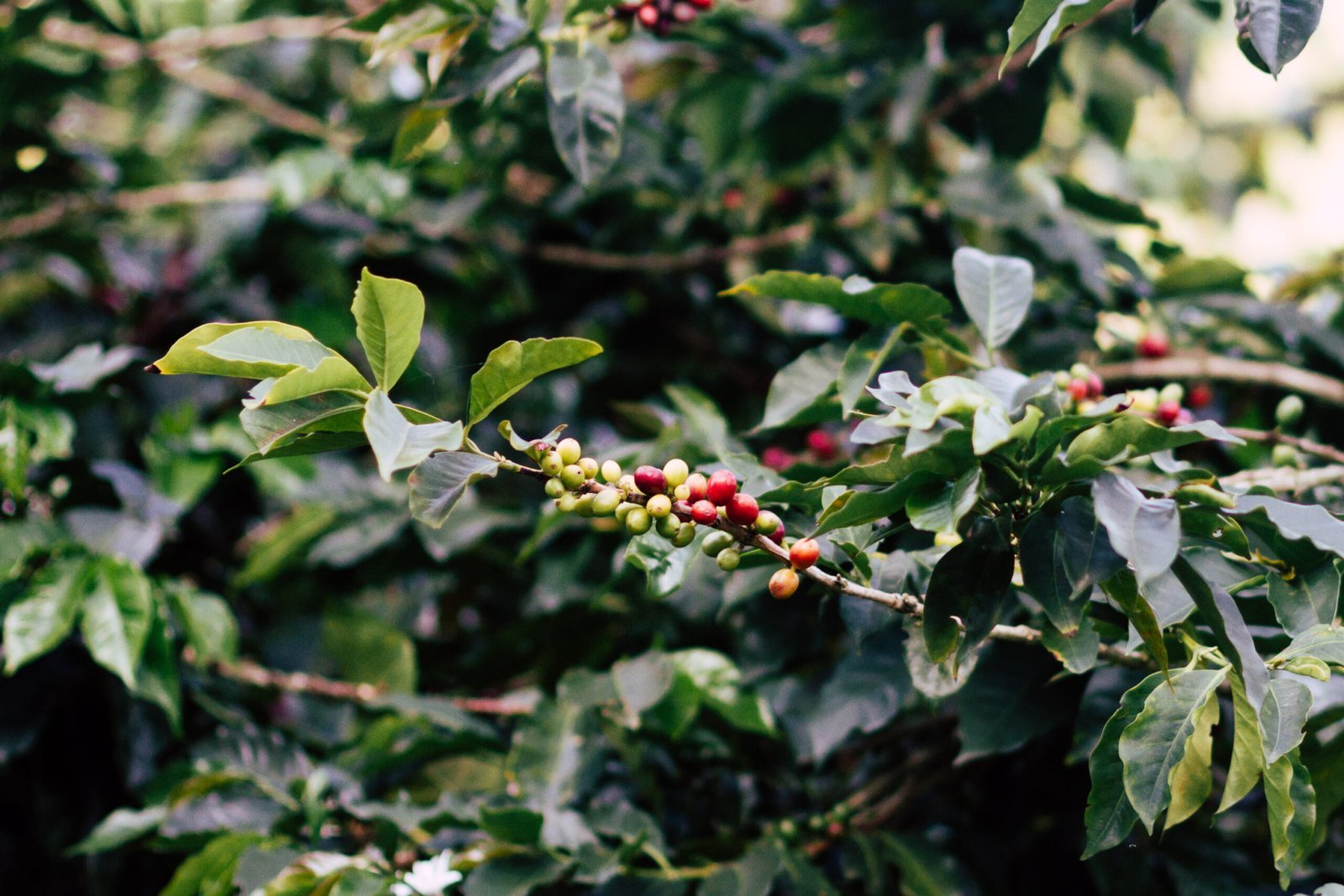
Coffee accompanies millions of people every day. Despite its plant origin, processing and additives matter. Pure coffee is vegan, but some preparations may not be. Here we look at instant coffees, production and finding vegan options.
What can make coffee non-vegan?
Roasted Coffea beans are plant-based, but production and preparation can introduce animal ingredients.
1. Clarification processes
For some coffees, such as decaffeinated or instant varieties,agents may be used to remove impurities, oils and sediment. The article describes substances such as:
- Gelatine: Derived from animal bones and skins.
- Albumin: Egg-white protein.
- Casein: Milk protein.
These are animal-derived clarification agents discussed in the article’s processing section.
2. Non-vegan additives
Instant or flavoured preparations may include ingredients for flavour, texture or solubility:
- Milk powder: Common in 3-in-1 mixes and instant cappuccinos.
- Sodium caseinate: A dairy derivative providing creaminess.
- Artificial or natural flavourings: Some caramel or cream flavours may contain butter or dairy derivatives.
3. Cross-contact
Cafés may share steam wands, jugs and spoons with dairy drinks, even when you order black coffee or plant milk.
Instant coffee: why is it not always vegan?
It is convenient, but ingredients and processes need checking.
How instant coffee is made
- Brewing: Beans are ground and brewed into a concentrate.
- Clarification: The article describes possible use of gelatine, albumin or casein at this stage.
- Drying: Powder or granules are produced by freeze-drying or spray-drying.
- Additives: Some versions add milk powder or flavourings for taste and texture.
Common issues with instant coffee
- Dairy derivatives: Some flavoured instant coffees contain milk or casein.
- Ambiguous ingredients: “Natural flavourings” may not identify their origin.
How to check coffee is vegan
Some pointers:
1. Buy pure coffee
Plain beans or ground coffee are usually vegan. Look for “100% coffee” on the label.
2. Check decaffeination
One option is the Swiss Water Process which uses no animal ingredients.
3. Read labels
Check ingredients such as:
- Milk powder.
- Casein or caseinate.
- Flavourings without origin details.
4. Look for vegan certification
Some certifications cover both ingredients and production.
5. Consider organic and fair-trade coffee
Organic and speciality brands may offer more transparency about processing.
What about cafés?
For vegan coffee in a café:
- Choose plant milk: Oat, almond, coconut or soya.
- Ask about equipment: Ask whether jugs and utensils are dedicated to plant-based drinks.
- Check syrups: Some caramel or toffee syrups may contain dairy.
Brands with vegan options
Examples offering vegan options or production information:
- Beans or ground coffee: Lavazza, Illy and Equal Exchange, with certified and fair-trade options.
- Instant coffee: Plain, unflavoured Nescafé Gold and organic, vegan-certified Mount Hagen.
- Decaffeinated: Swiss Water Process brands such as Kicking Horse Coffee.
Conclusion: coffee can be vegan, but check the preparation
Pure coffee is vegan, but additives and processing deserve attention. Choose plain beans, ground or instant coffee and check certification. Informed choices can support ethical, sustainable practices.
Vegan cafés in Barcelona
Our website has a list of fully vegan cafés to enjoy with confidence.
Your vote helps us improve this post