
By David BVEG · Updated on
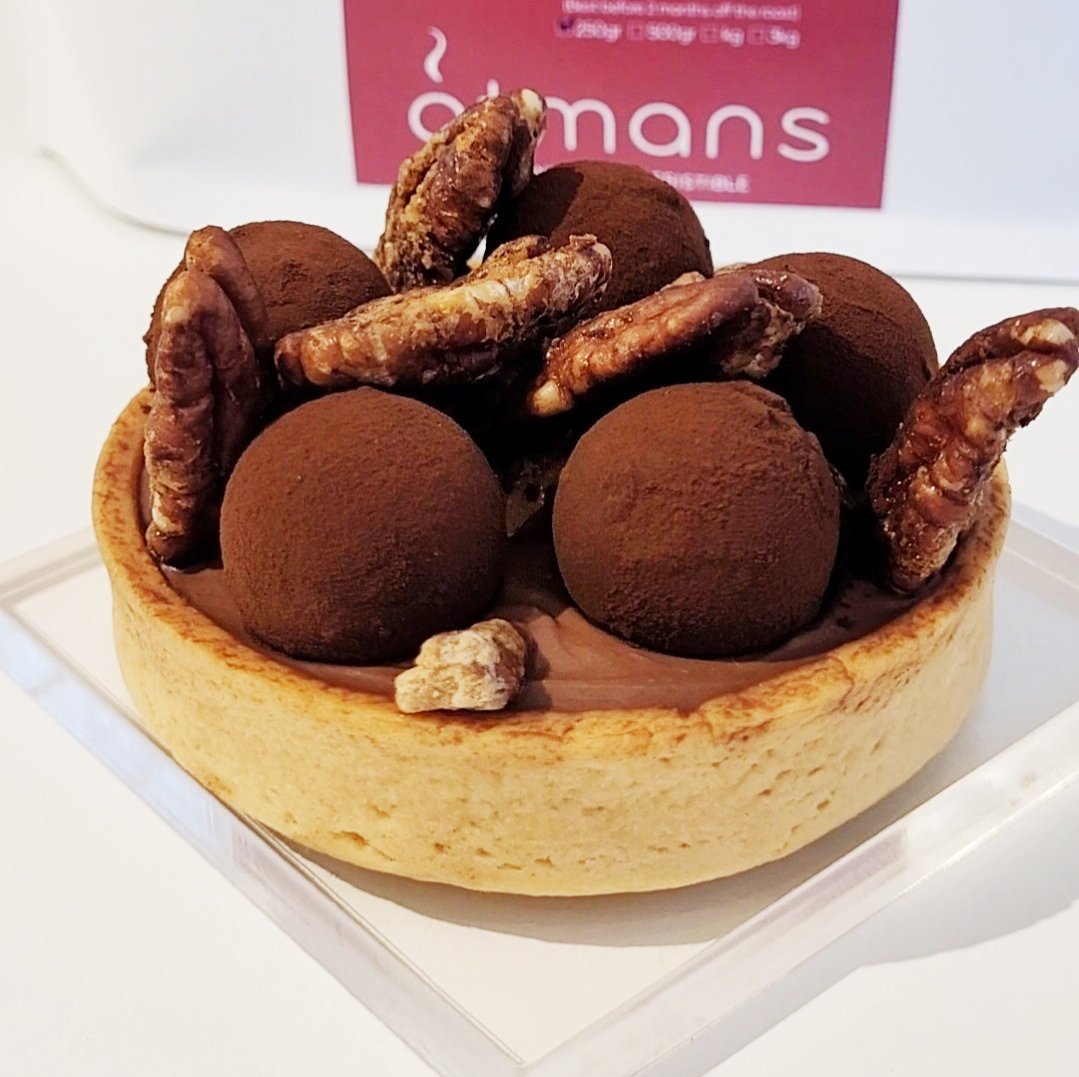
Vegan options have become a real need rather than a passing trend. For restaurants and shops adapting to demand, offering vegan hospitality products can make a difference. We explore Barcelona workshops making cakes, biscuits and desserts for the sector, and benefits for vegans and those avoiding lactose.
Food and drinks for hotels, restaurants and catering without milk, butter, eggs, honey or other animal ingredients. Their versatility serves different needs. Barcelona has specialist workshops making artisan desserts and working with restaurants and shops to offer quality and accessibility.
Finding reliable suppliers is challenging. Barcelona has cake suppliers with fully vegan adapted classics and creative recipes, including:
They can be introduced without major kitchen changes.
Beyond workshops, there are bakery distributors offering wholesale products to save time and resources. Options include:
A specialist distributor provides quality products without taking on manufacturing and logistics.
They serve other needs beyond vegan customers. Main benefits:
They may appeal to lactose-intolerant customers and those reducing animal foods. More options can expand customers and sales.
Consumers value sustainability and ethics. Vegan options can show commitment to animals and the environment.
You can highlight “lactose-free” or “plant-based” alongside vegan suitability. Some consumers respond better to these terms, broadening product perception.
Barcelona is part of a fast-evolving scene with trends such as:
Many options are vegan too. See our list of vegan bakeries in Barcelona.
Natural ingredients and traditional processes are increasingly important in specialist workshops.
Decorated cupcakes and cakes with original flavours open possibilities for restaurants and shops.
To reach more people, combine vegan information with terms such as:
Communication can reduce barriers and reach diverse customers.
Adding them responds to demand and differentiates a business. Thanks to specialist workshops and bakery distributors quality cakes, biscuits and desserts are available. Expand your audience and strengthen your brand, tailoring communication to customers. Email us for a vegan supplier list.
It is an acronym formed from the opening syllables of HOtels, REstaurants and CAfés. It groups accommodation and food-service sectors.
The term originated in Europe and spread internationally to identify hospitality, restaurants and the distribution of food, drinks and professional equipment.
The sector creates jobs, contributes to GDP and shapes tourism and visitor experience. Factors include:
It adapts to markets and consumption habits. Trends include:
Reducing plastics, managing waste and buying organic, local products.
Online bookings, digital menus and contactless payment improve service and management.
Demand for plant-based menus is growing. Before the pandemic, vegan shops requested these options from distributors; now distributors offer vegan Horeca products directly to restaurants, cafés and hotels. It is a shift from niche to established trend, with innovation, sustainability and technology supporting growth.
More people consider their food choices for environmental, health, religious or animal welfare reasons. According to consultancy Lanternaround 7.8% of Spain’s population identifies as veggieunder the figures cited, while others choose vegan food occasionally.
Market growth:
Attracting more customers:
Examples:
These dishes are affordable, versatile and appealing.
The Spanish Agency for Food Safety and Nutrition (AESAN) recommends vegetables, pulses, fruit and plant proteins such as tofu, seitan and tempeh.
Benefits:
A smaller footprint:
Commitment to animals:
Examples:
| Ingredient | Uses | Where to buy |
|---|---|---|
| Tofu | Scrambles, salads and stews | Lidl, Aldi and Asian supermarkets |
| Seitan | Plant-based meats and skewers | Homemade with wheat gluten |
| Tempeh | Stir-fries and sandwiches | Health food and vegan shops |
| Textured soya | Vegan Bolognese and meatballs | Specialist distributors |
| Chickpea flour | Omelettes and batter | Supermarkets |
It is more than a fad: a growing trend with benefits: ✔ Profitability (margins using affordable ingredients). ✔ Satisfied customers (diverse groups and allergen control). ✔ Sustainability (a smaller environmental footprint).
Ready to update your menu? Start with simple dishes.
Déjanos tu email y descubre cómo conseguir un postre gratis en Veganashi durante octubre. Además, entrarás en el Radar Vegano BCN para recibir nuestras novedades y promociones.
📡 ¡Bienvenido al Radar Vegano BCN!