

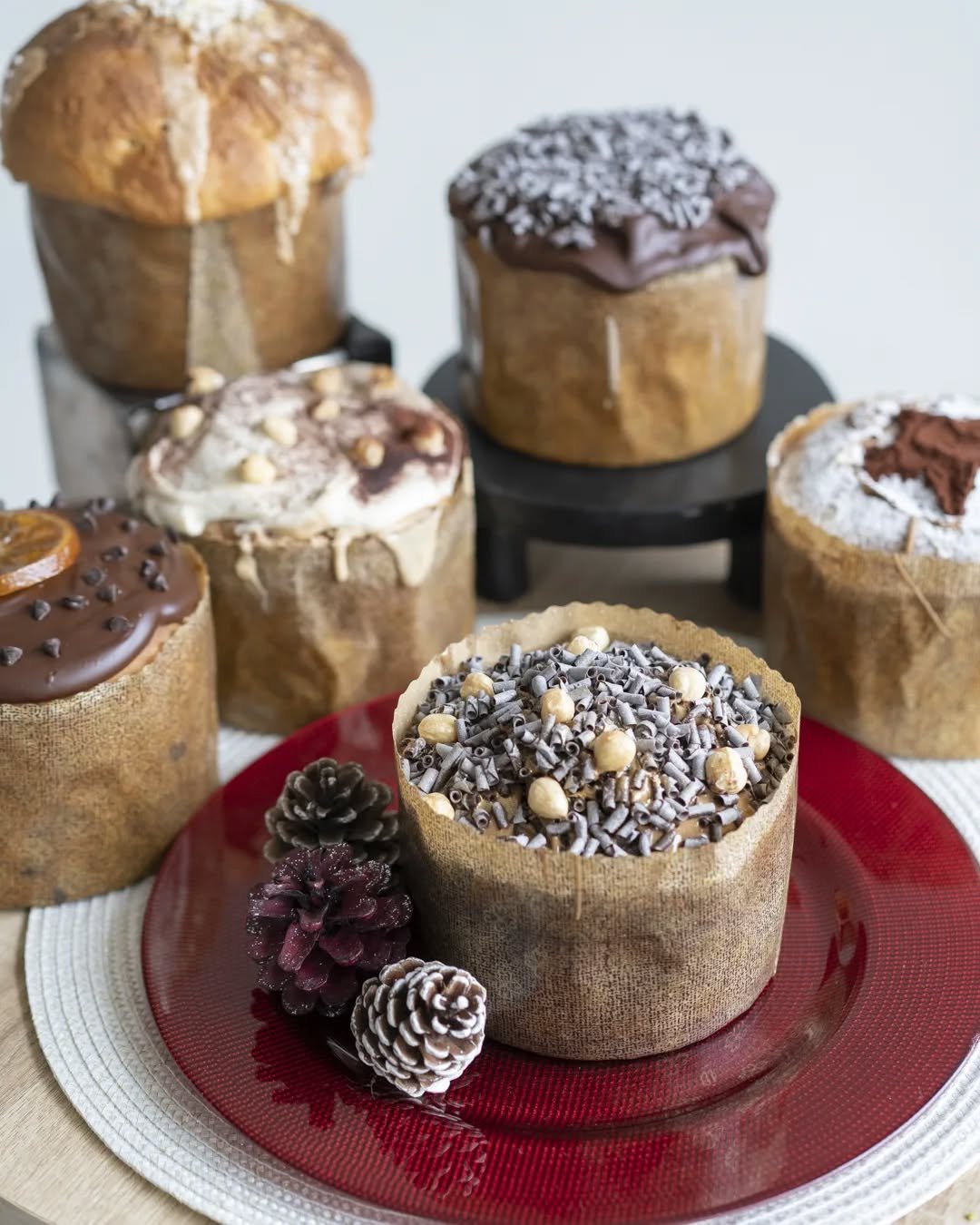
Christmas would not be complete without panettone, but finding an ethical, tasty vegan version can be challenging. Vegan panettone is fluffy, sweet and free from animal ingredients. Discover where to find one for the holidays.

Instead of eggs, dairy milk and traditional butter, it uses alternatives such as:
The result is light, fluffy, flavourful and fully vegan.
Specialist bakeries reinterpret the classic with vegan ingredients while keeping its soft texture and characteristic aroma.
Want to see artisan vegan panettone being made? Watch the video from one of our favourite bakeries and discover the care behind each one.
Panettone from Debbys :
Finding tasty, cruelty-free products is possible. Consider:
Pay attention to:
A vegan tribute to the Italian recipe.
With chocolate pieces that melt in every bite.
An indulgent, more sophisticated option.
Gluten-free vegan panettone
Options also exist for coeliac diners and gluten intolerance.
Share a traditional treat adapted to your values, whether handmade or commercially produced.
Ready to try it? Explore local options or order ahead for Christmas.
Panettone is an iconic Christmas sweet in Europe and Latin America. This fluffy bread with candied fruit and raisins originates in Lombardy and Milan. Legends and traditions surround its development into a worldwide holiday symbol.
One legend places its origin in the 15th century at the court of Ludovico il Moro, Duke of Milan. When a banquet dessert burned, an assistant named Toni improvised with flour, eggs, butter, sugar and dried fruit. The bread was so successful that “Toni’s bread” supposedly became panettone. Another story describes a nobleman in love with a baker’s daughter creating a special bread to help her family business. Both evoke humble, creative origins.
Between myth and reality, it became established in Renaissance Milan as a sweet, butter-enriched bread, a luxury for nobles and celebrations because the ingredients were costly. Candied fruit and raisins became defining features. Northern Italian families shared it at Christmas, traditionally cut and distributed by the head of the household as a symbol of unity and prosperity.
Industrialisation in the 20th century expanded its popularity. Angelo Motta and Gino Alemagna developed long fermentation for its fluffy texture and tall domed shape. Italian migration brought it to Argentina, Peru and Brazil, where chocolate and tropical fruit versions appeared. Today it remains both a Christmas tradition and a gourmet product worldwide.
Déjanos tu email y descubre cómo conseguir un postre gratis en Veganashi durante octubre. Además, entrarás en el Radar Vegano BCN para recibir nuestras novedades y promociones.
📡 ¡Bienvenido al Radar Vegano BCN!


