
11 plant milks at Mercadona – 2025 guide
Years ago, plant milks were rare in supermarkets. Dairy-free diets and demand for sustainable alternatives have greatly expanded the choice. Mercadona offers eleven varieties, reflecting changing habits and a more diverse range.1. Mercadona rice milk
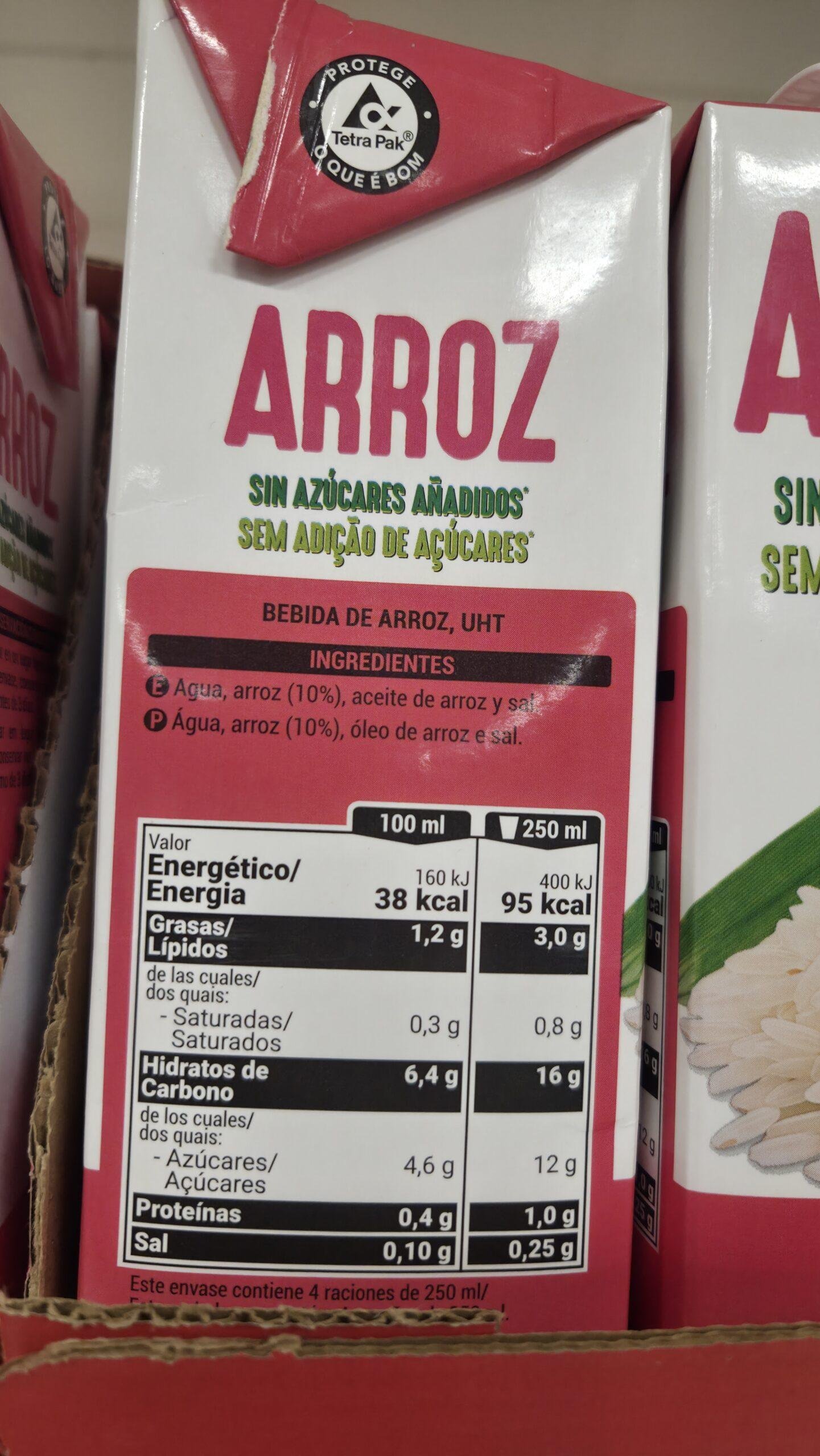
.Approx. price €0.95–1.10 .Description: A rice-based drink for those seeking a dairy-free alternative.Ingredients: Water, rice (10%), rice oil, salt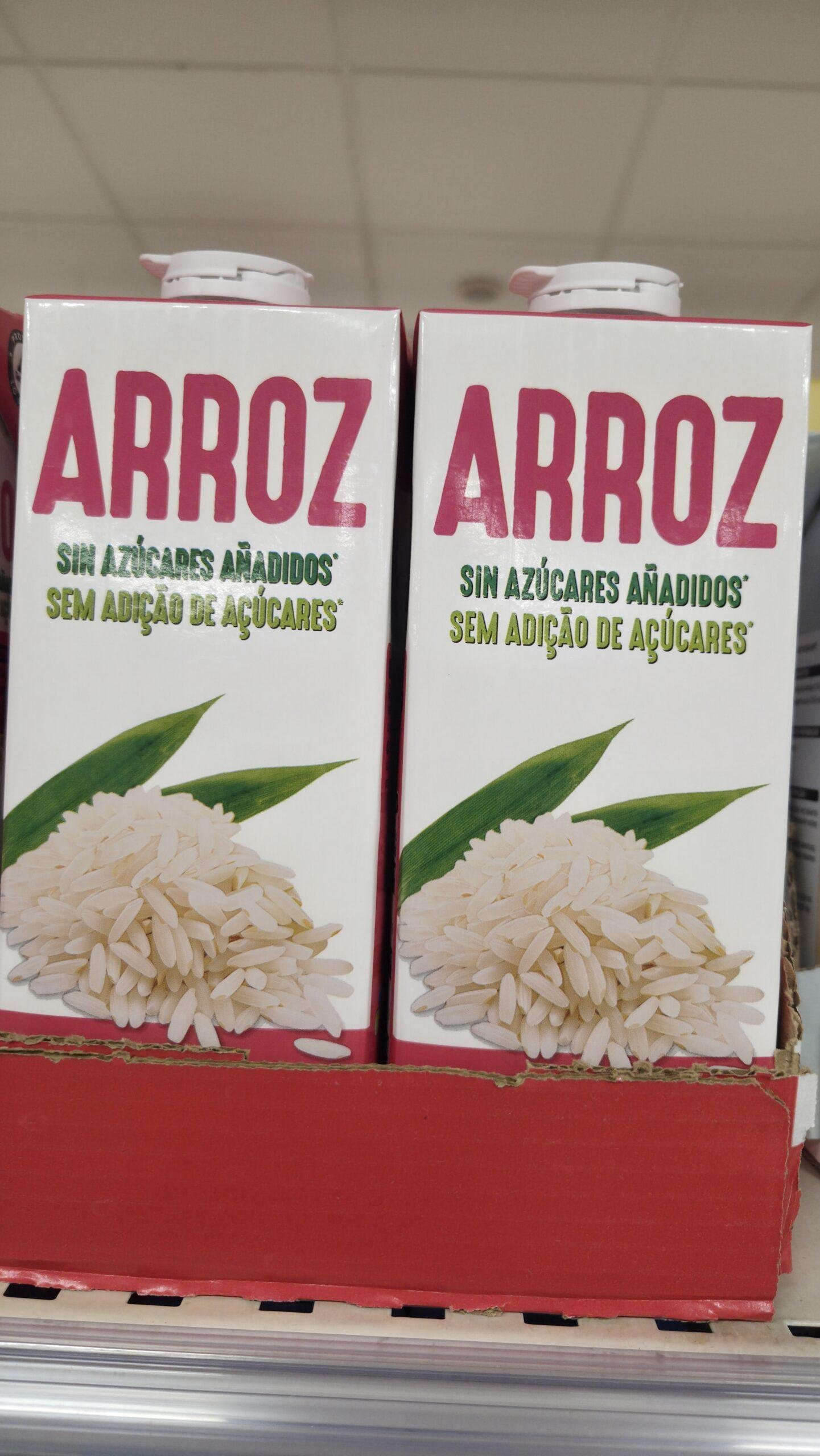 .
 .
2. Mercadona coconut milk
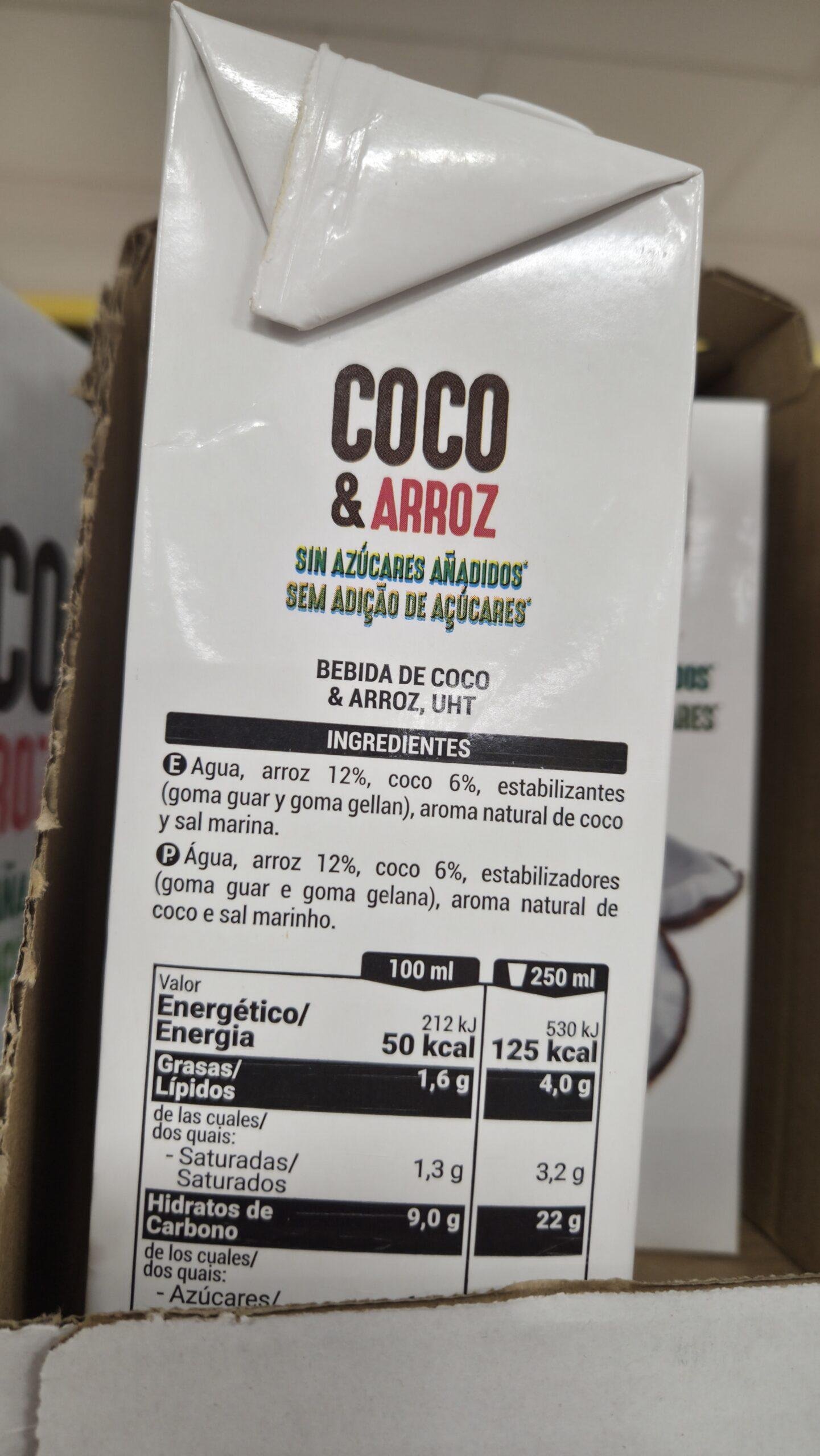
.Approx. price €1.10–1.50 .Description: Combines tropical coconut flavour with mild rice.Ingredients: Water, guar rice (12%), coconut (6%), stabilisers (guar and gellan gums), natural coconut flavouring, sea salt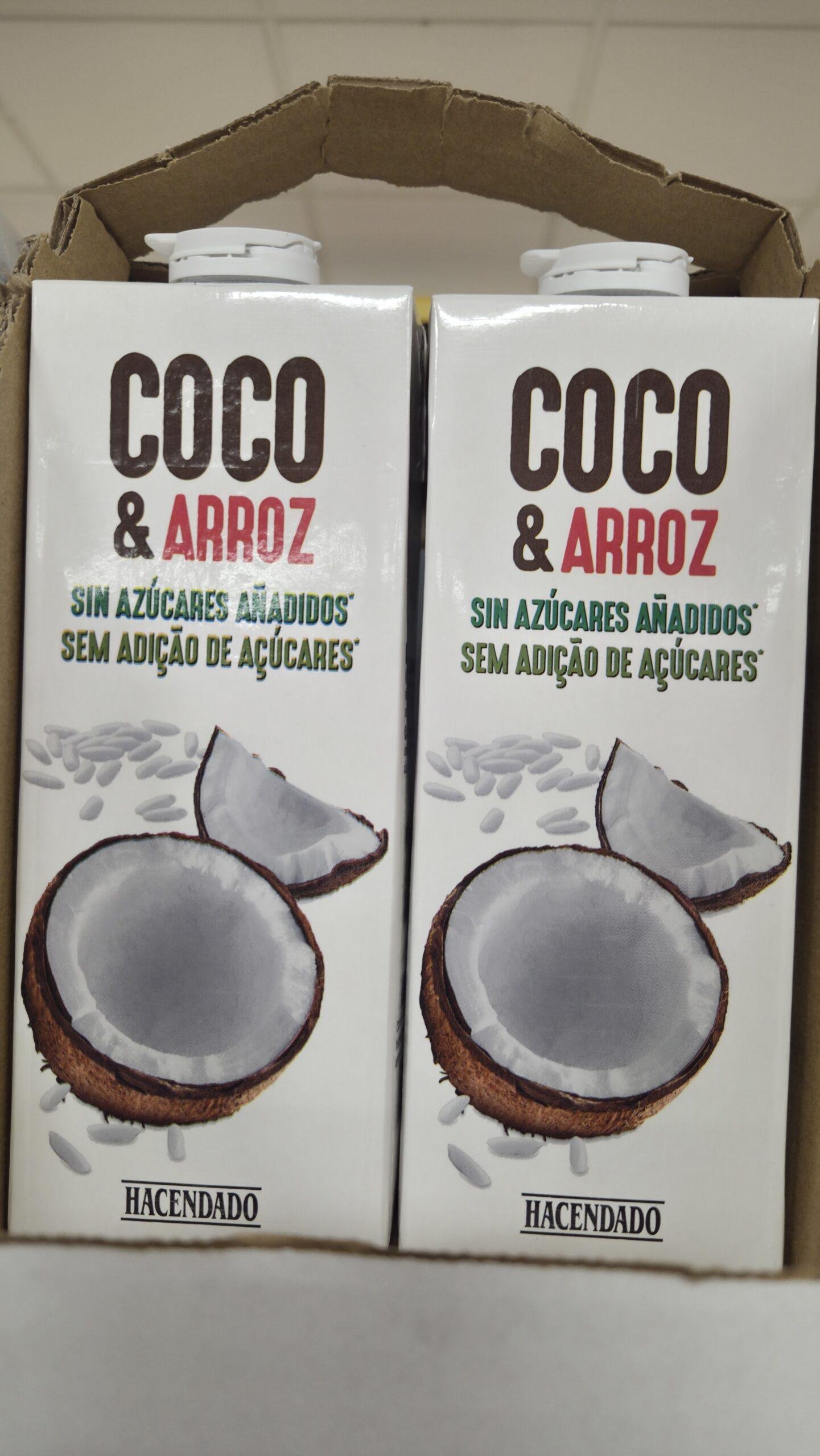 .
 .
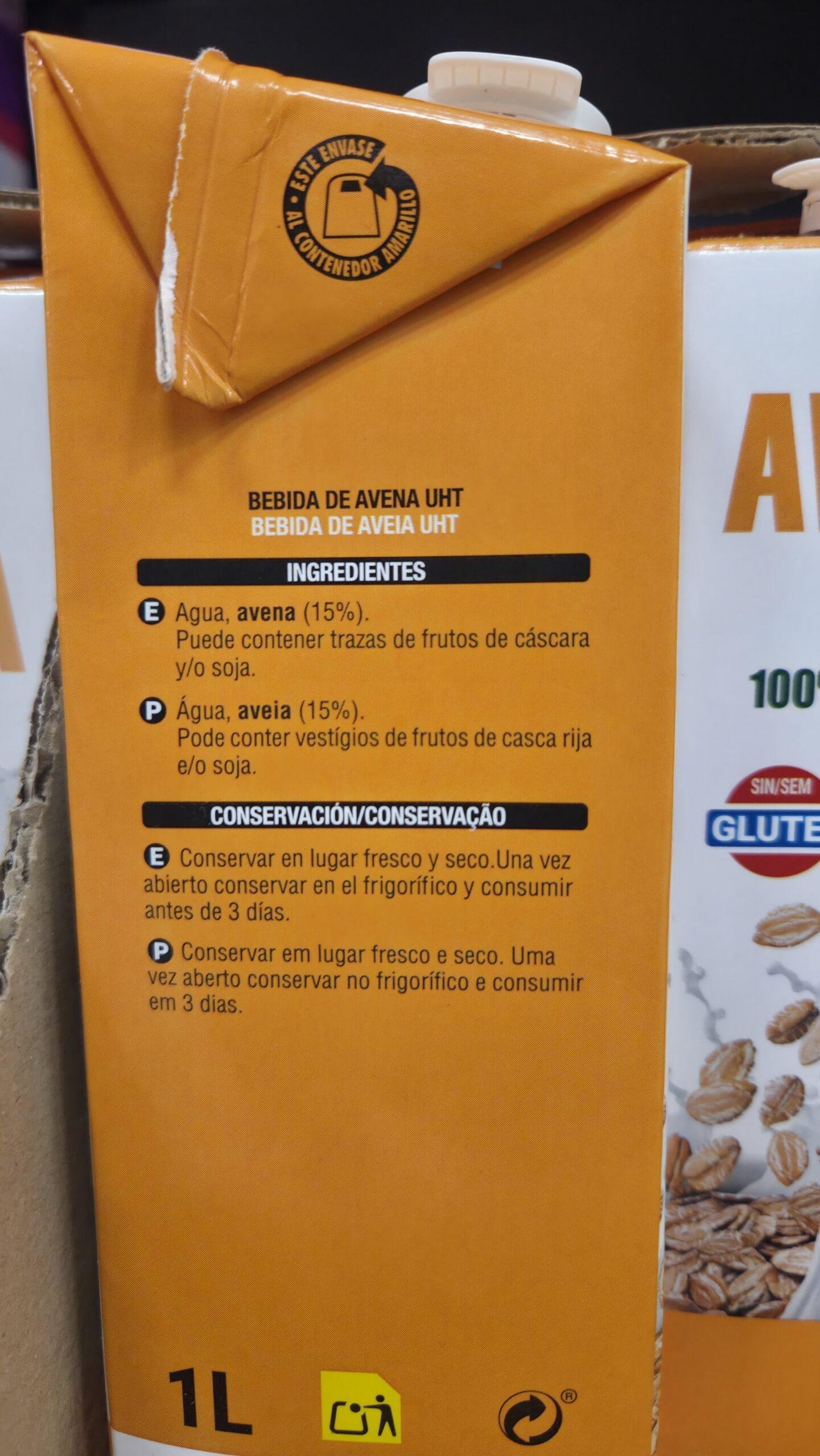
3. Mercadona oat milk
.Approx. price €0.75–0.85 .Description: A nutritious, creamy blend of oats and rice.Ingredients: Water, rice (10%), oats (3%), gellan gum, flavouring, salt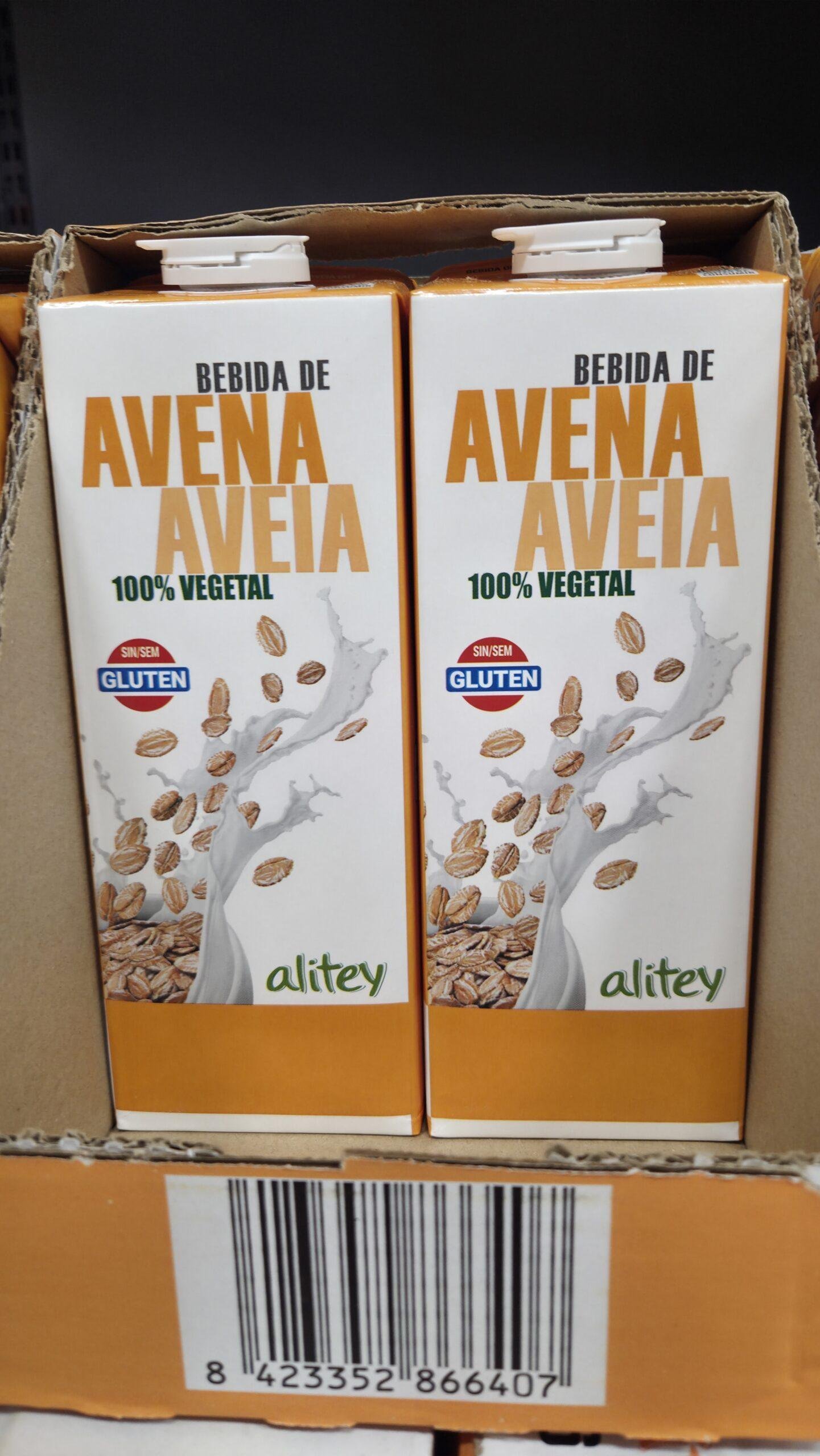 .
 .
Mercadona oat milk: a healthy plant-based alternative
Among the range of plant milks, Mercadona’s oat drink is popular. It offers an alternative for reducing dairy and choosing lighter, sustainable options. When choosing a plant milk. Mercadona oats stand out for quality. The drink is made from water, oats and other natural ingredients. It is often fortified with calcium and micronutrients, contributing to daily nutrition. Calcium-fortified oat milk can help increase intake of calcium and vitamins without traditional dairy.Ingredients and nutritional values
Water and oats form the base, with minerals added in some versions. In terms of nutritional values, this oat milk is low in fat and moderate in calories. There are also versions of sugar-free oat milk or very few added sugars, for more balanced consumption.Options and benefits
Among the different plant milks available, Mercadona’s is practical and accessible. Suitable for lactose intolerance and plant-based lifestyles, it can be enjoyed alone, in coffee, smoothies or recipes. Its nutritional profile and availability fortified with calciummake it an option for those looking after their diet and wellbeing.Mercadona oat milk for coffee
Many people prefer it in coffee for its creamy texture and mild flavour, mixing without curdling or lumps. Mercadona also offers barista versions for frothing cappuccinos and lattes. Fat content is the main difference: more fat gives greater body and foam.Vegan recipes with Mercadona oat milk
.1. Banana and cocoa smoothie
Blend 250 ml oat milk, one ripe banana and 1 tbsp pure cocoa powder. Sweeten with agave syrup to taste for an energising smoothie without added sugars.2. Pumpkin and oat soup
Cook 400 g pumpkin with onion and carrot. Blend with 200 ml Calcium-fortified oat milk for a smooth soup. Add pepper and extra virgin olive oil.3. Classic porridge
Heat 300 ml sugar-free oat milk with 50 g rolled oats until thick. Serve with fresh fruit and seeds, for fibre and a good profile of nutritional values.4. Mercadona soya milk
.Approx. price €0.80–0.95 .Description: A classic, versatile soya drink known for its protein content.Ingredients: Water, hulled soya beans (13%), salt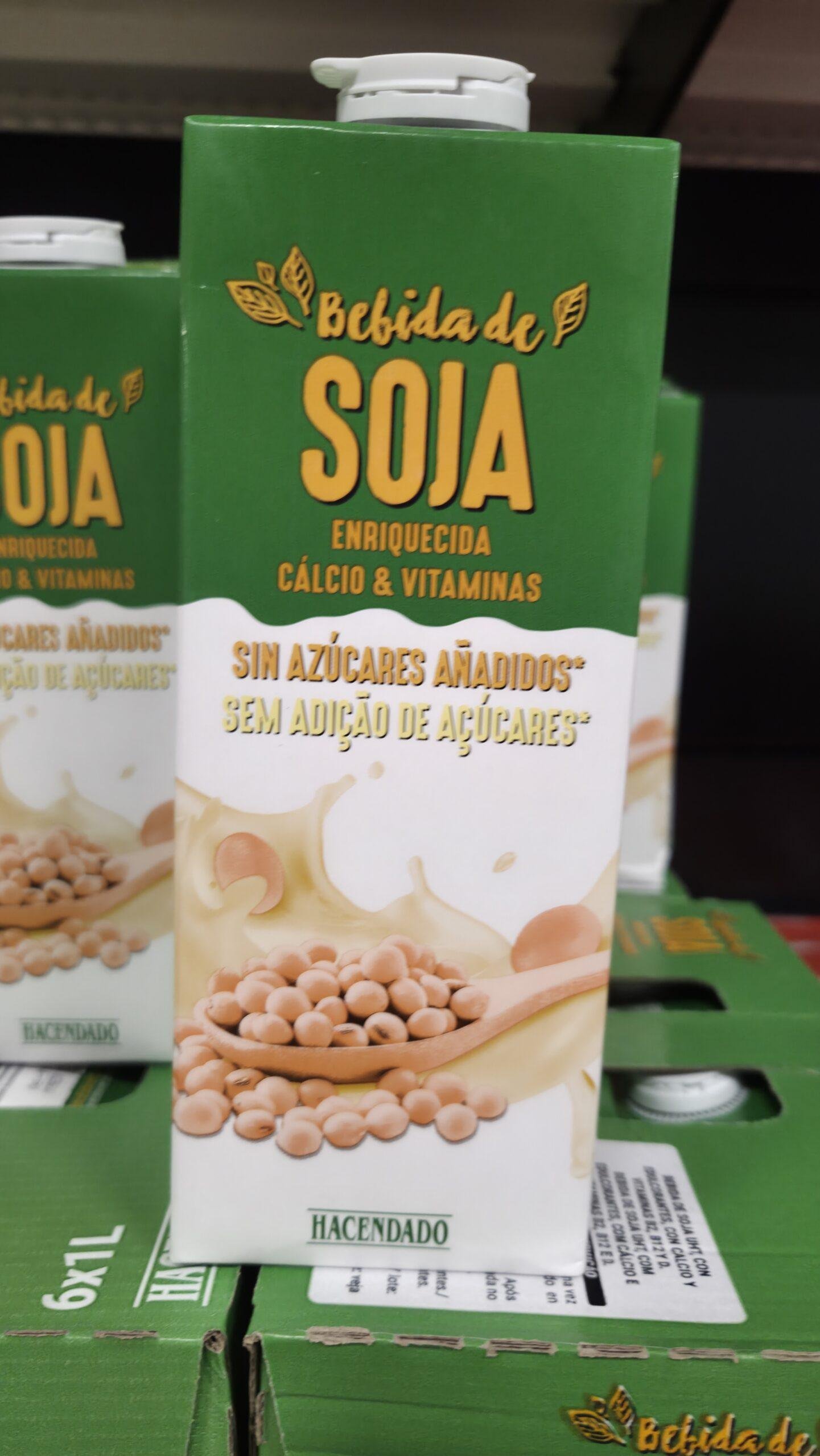 .
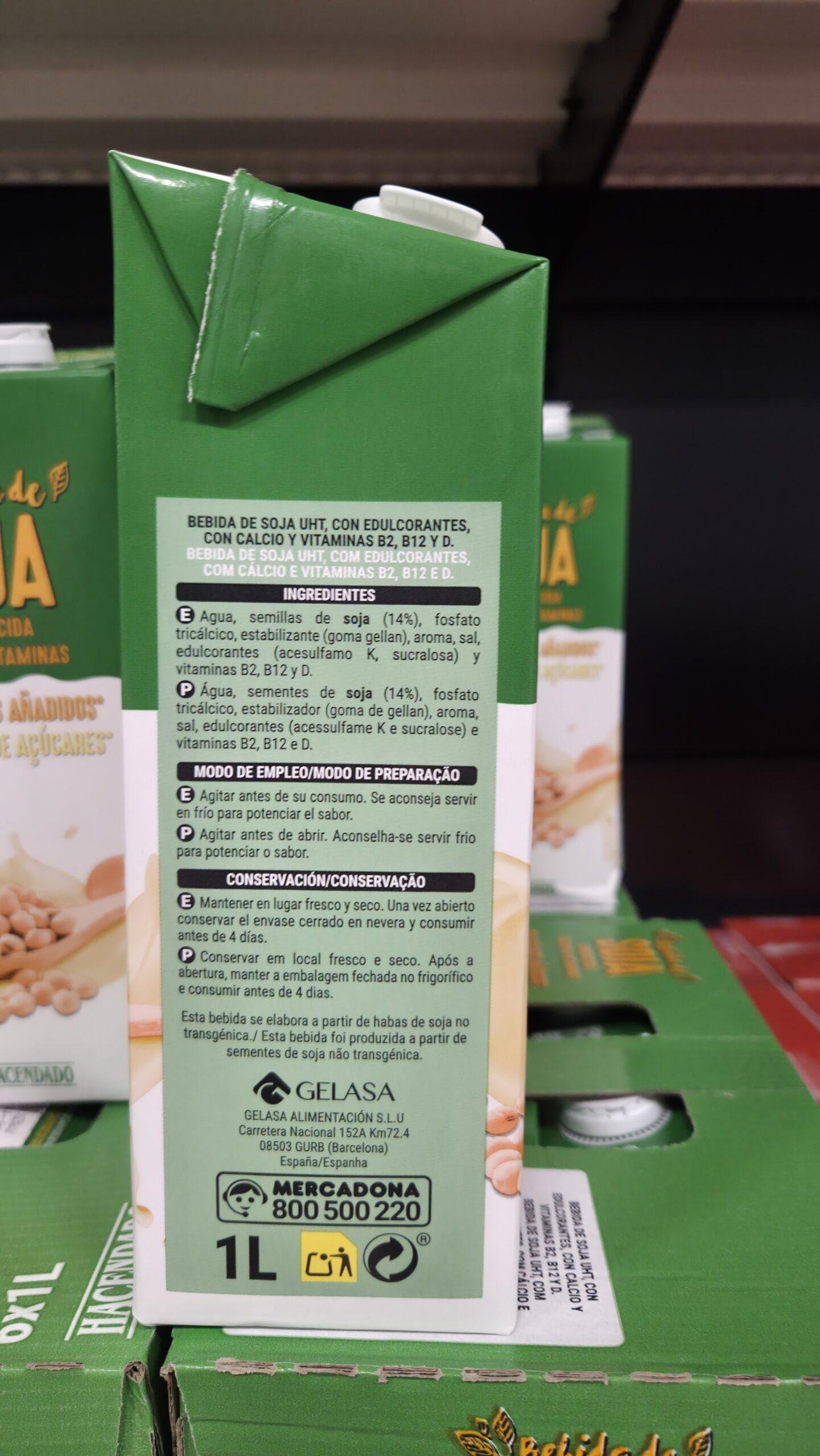 .
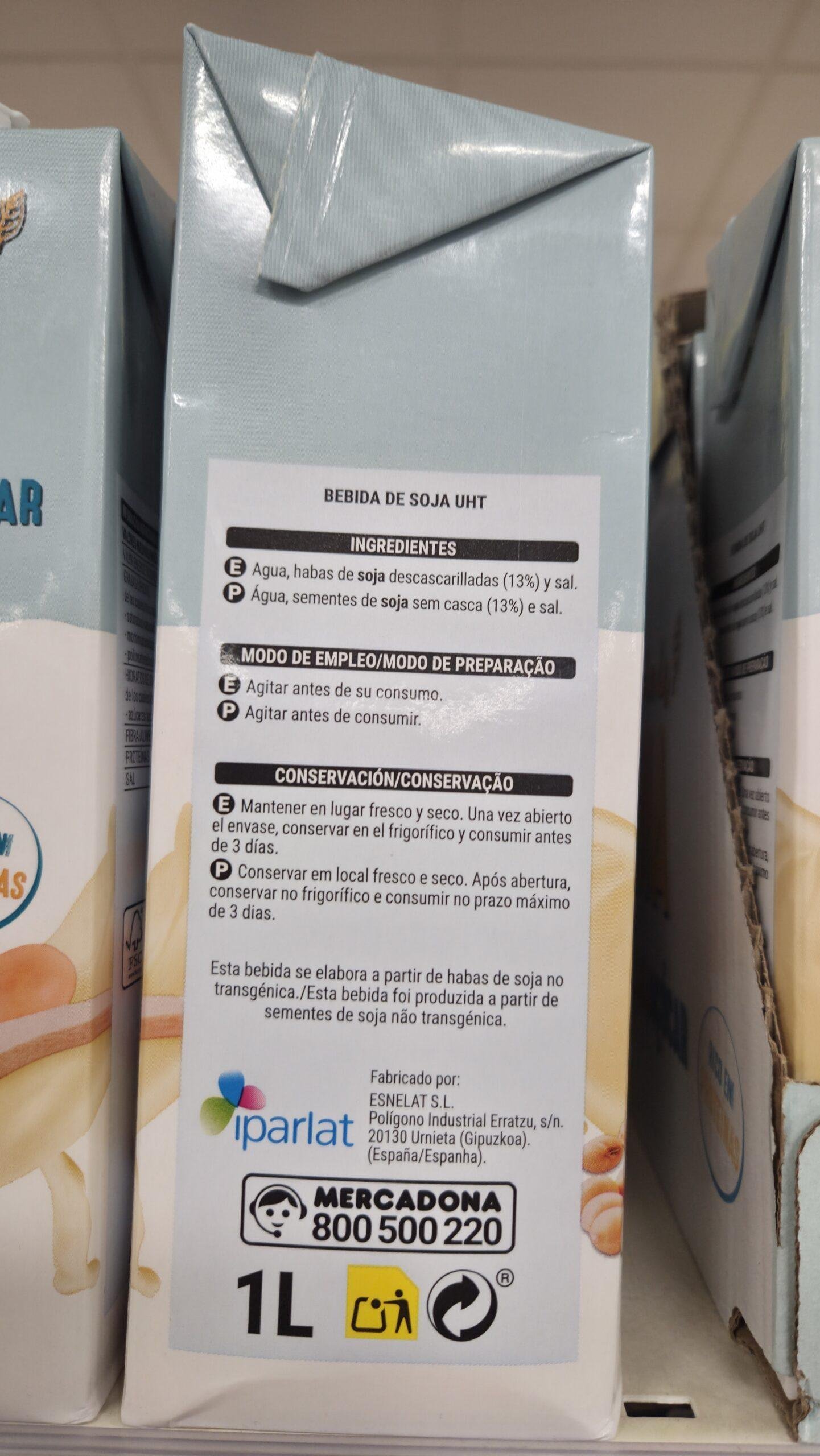
5. Mercadona sugar-free soya milk
.Approx. price €0.75–0.90 .Description: Soya milk fortified with calcium and sweetened with an artificial sweetener.Ingredients: Water, hulled soya beans (10%), calcium carbonate, gellan gum, flavourings, salt, acesulfame K, vitamins B2, B12 and D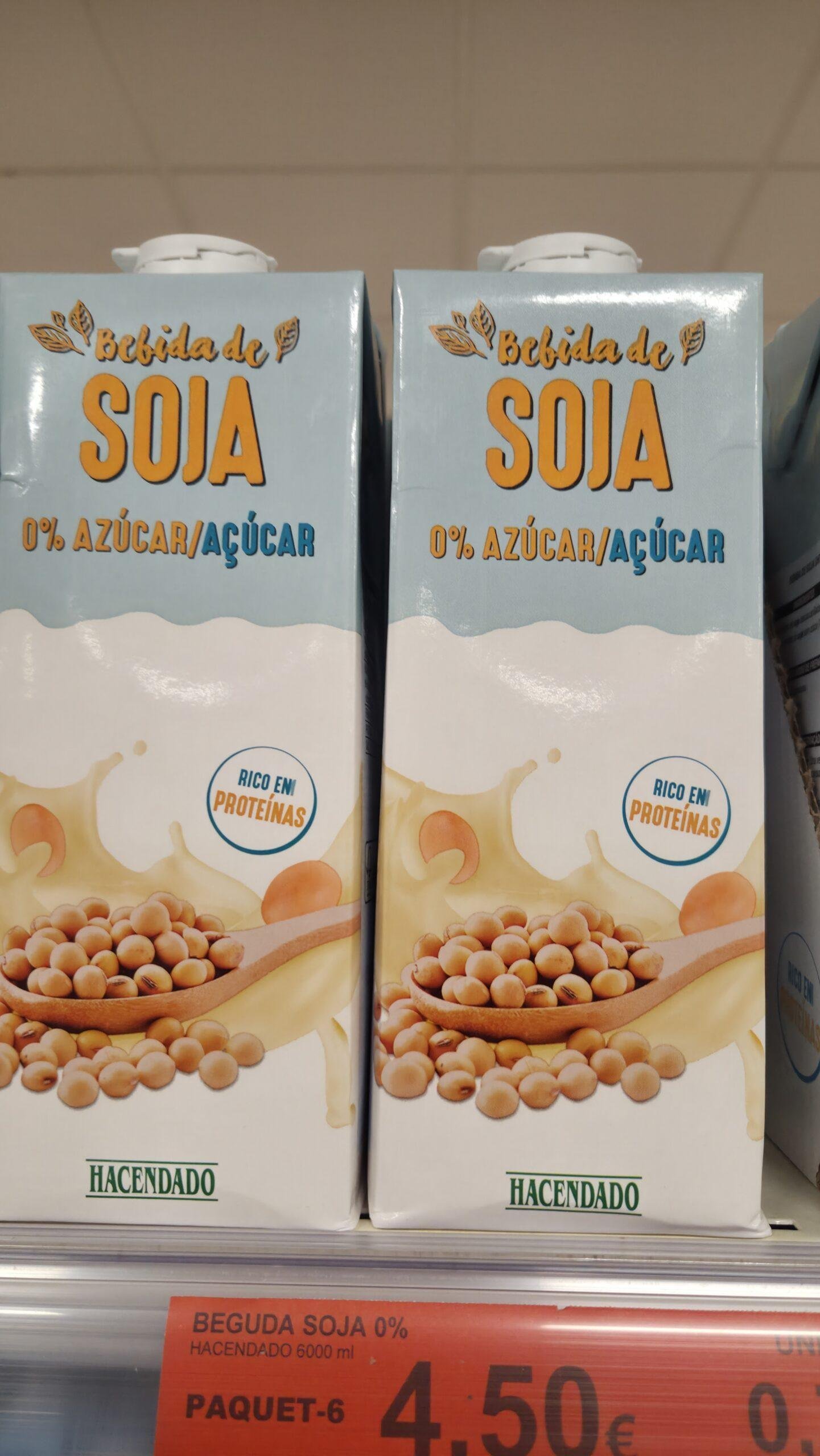 .
 .
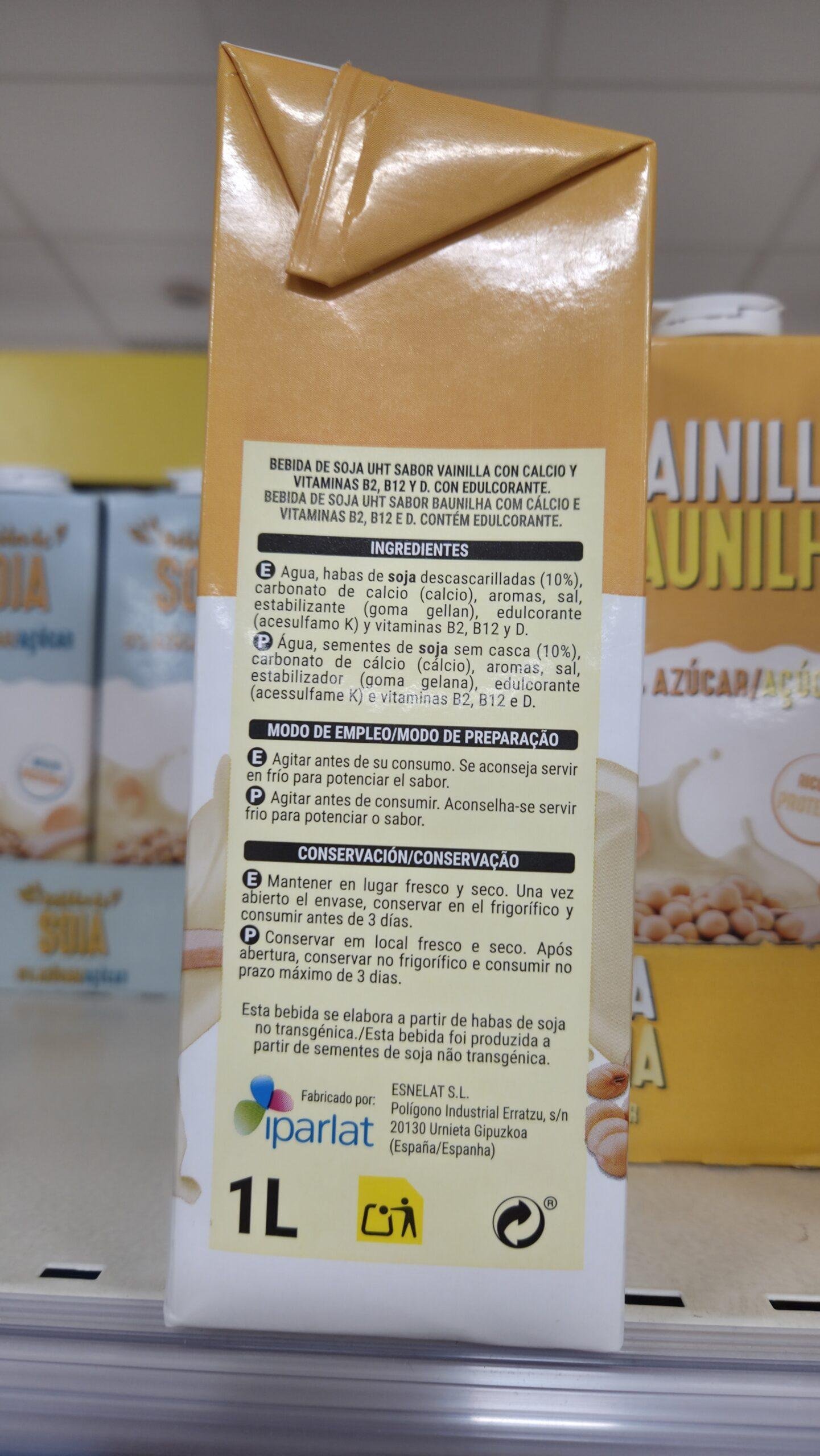
6. Mercadona vanilla milk
.Approx. price €1.00–1.20 .Description: Vanilla-flavoured soya milk, fortified with calcium and artificially sweetened.Ingredients: Water, hulled soya beans (10%), calcium carbonate, gellan gum, flavourings, salt, acesulfame K, vitamins B2, B12 and D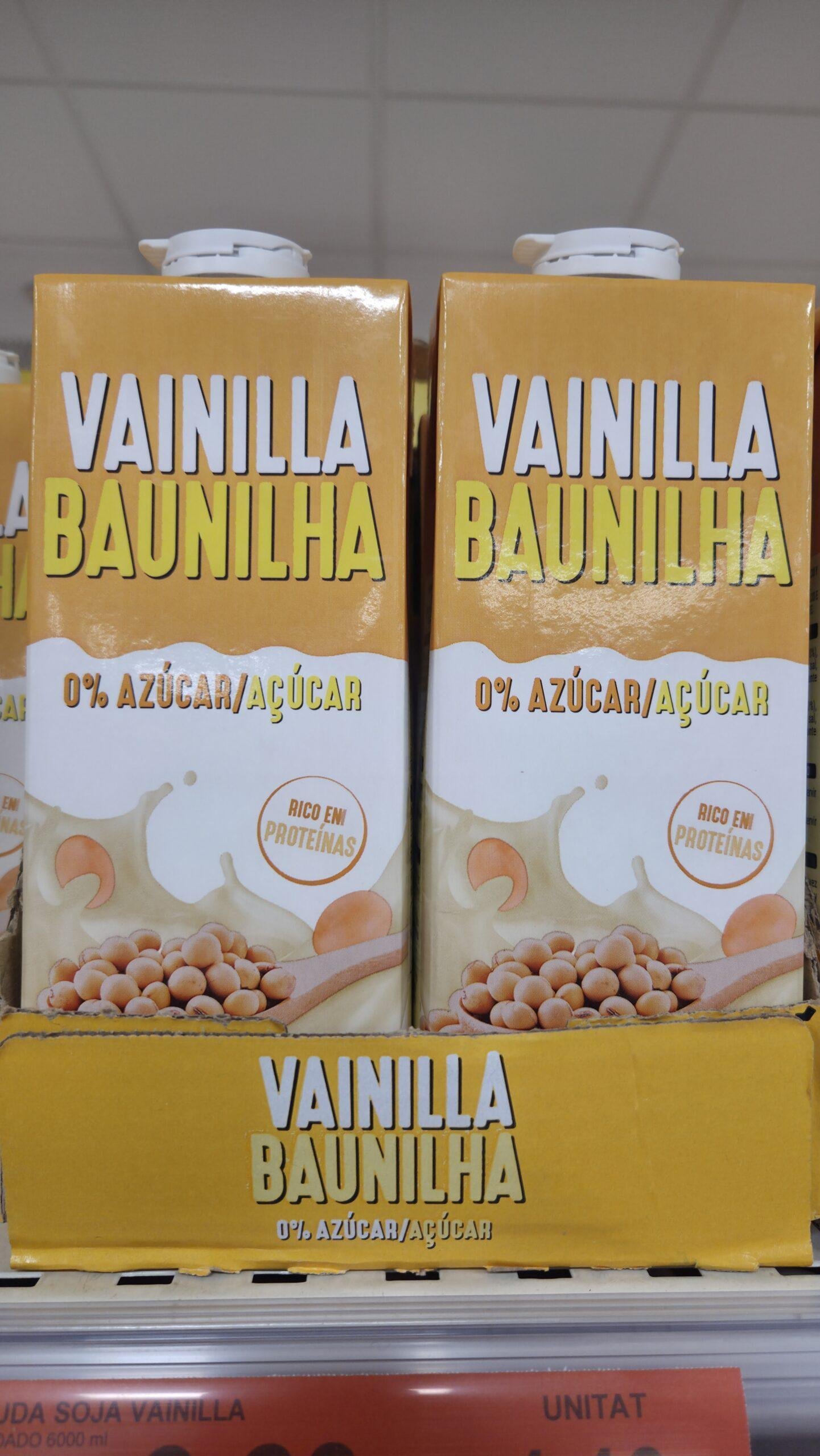 .
 .
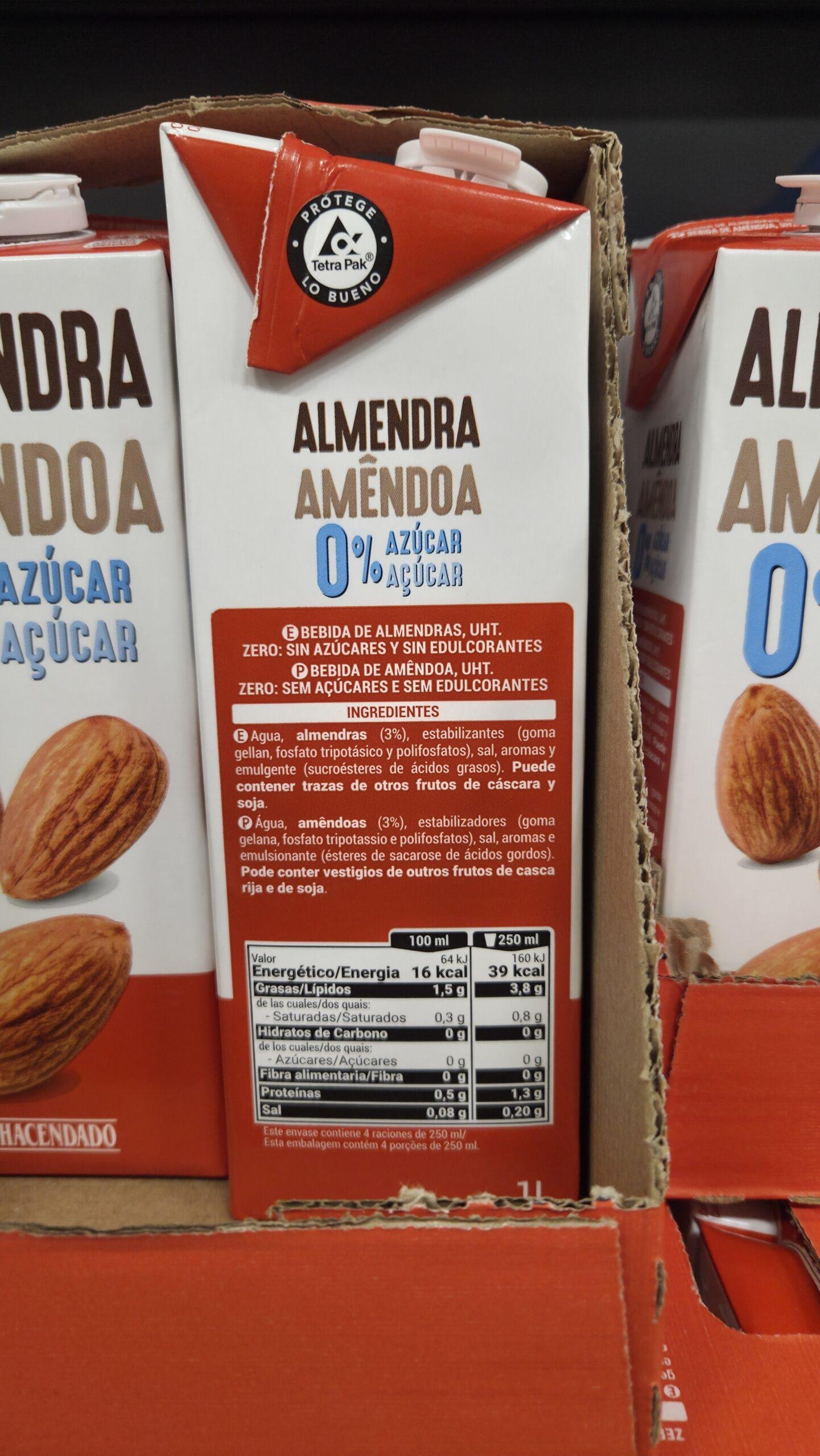
7. Mercadona almond milk
.Approx. price €1.00–1.30 .Description: An almond-based drink for a dairy-free diet.Ingredients: Water, almonds (2%), gellan gum, salt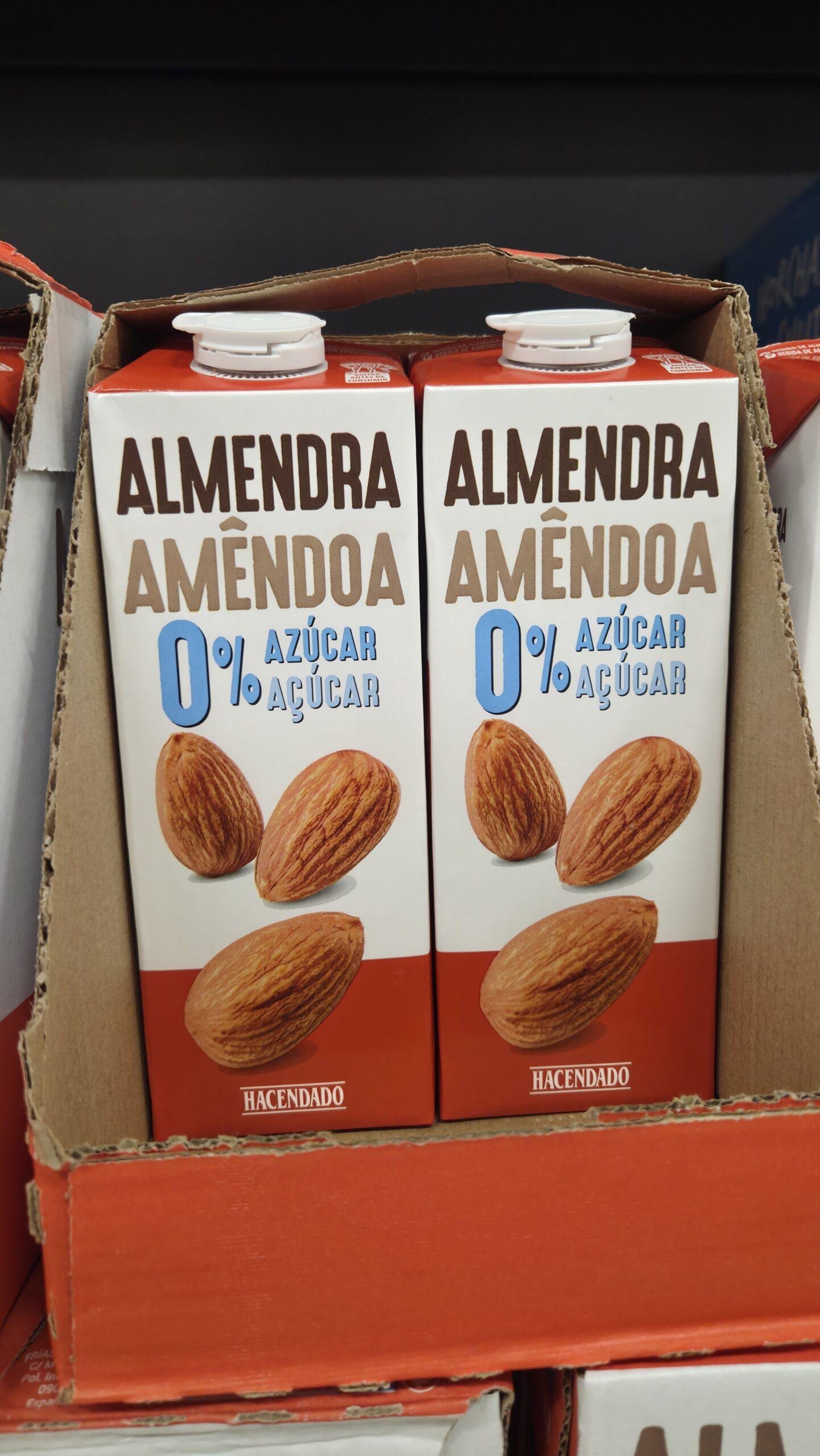 .
 .
Mercadona almond milk: light and healthy
The Mercadona almond milk is part of the growing range of plant milks in everyday diets. This almond drink is an alternative of plant origin for reducing or removing dairy. Mild and light, it can be enjoyed alone or in recipes. Its main ingredients are water and almonds. Many versions are fortified with calcium and micronutrients, providing calcium and vitamins of nutritional interest.Ingredients and nutritional values
According to the nutrition information, it is low in calories and fat. There are versions of sugar-free almond milk without added sugar, and others with a little sweetness from added sugars. In either case, the nutritional values make it appealing to those seeking a more natural diet.Options and cooking uses
The Mercadona almond milk is practical for coffee, smoothies, baking and savoury dishes. There are also baristaversions with more body and fat for frothing cappuccinos and lattes. Its versatility means you can use it in light sauces, cold desserts and vegetable soups. Its profile of nutritional values, along with its plant origin, makes it compatible with a healthy lifestyle.Vegan recipes with almond milk
.1. Green detox smoothie
Blend 200 ml almond milk with fresh spinach, cucumber, half a banana and lemon juice. Refreshing and rich in fibre.2. Vegan mushroom soup
Sauté mushrooms with onion and garlic, add 300 ml almond drink and blend until smooth.3. Chia and cocoa pudding
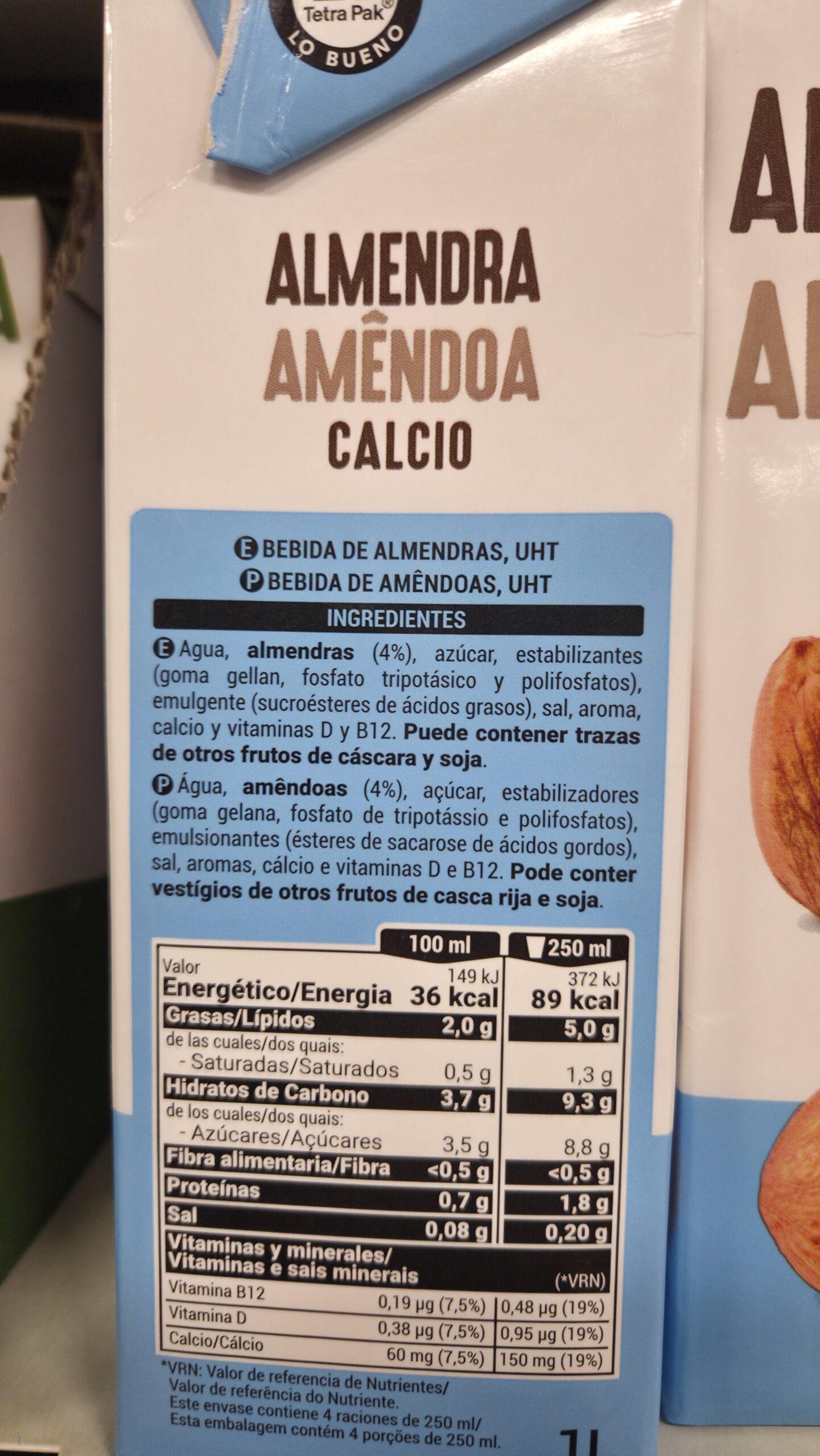
Mix 250 ml sugar-free almond milk with 3 tbsp chia seeds and 1 tbsp pure cocoa. Refrigerate for a creamy, nutritious dessert.8. Mercadona calcium-fortified almond milk
.Approx. price €1.10–1.40 .Description: Almond milk fortified with calcium for additional nutrition.Ingredients: Water, almonds (2%), calcium carbonate, gellan gum, salt .
 .
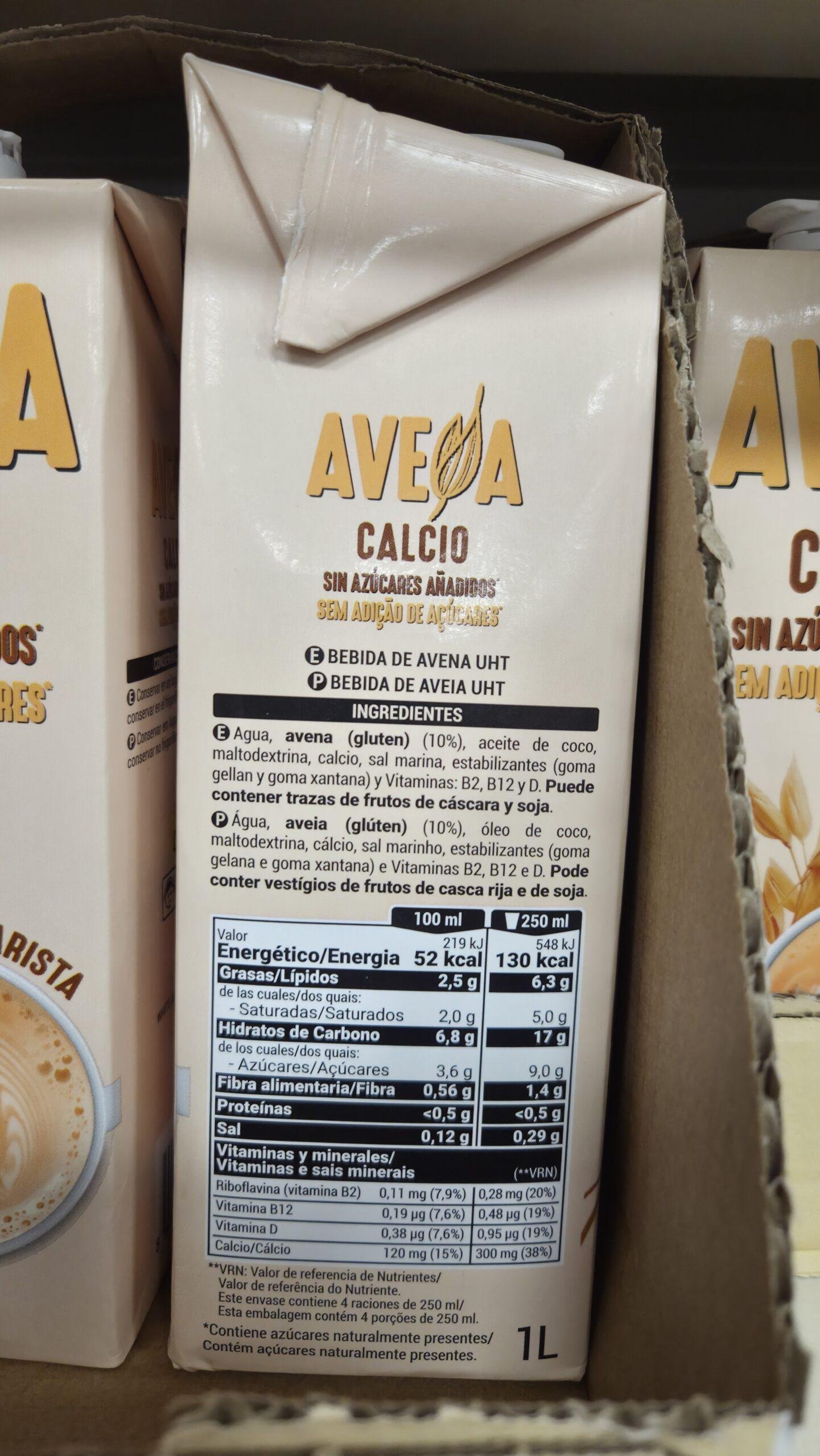
9. Mercadona calcium-fortified oat milk
.Approx. price €0.90–1.20 .Description: Oat milk fortified with calcium.Ingredients: Water, oats (3%), calcium carbonate, gellan gum, flavouring, salt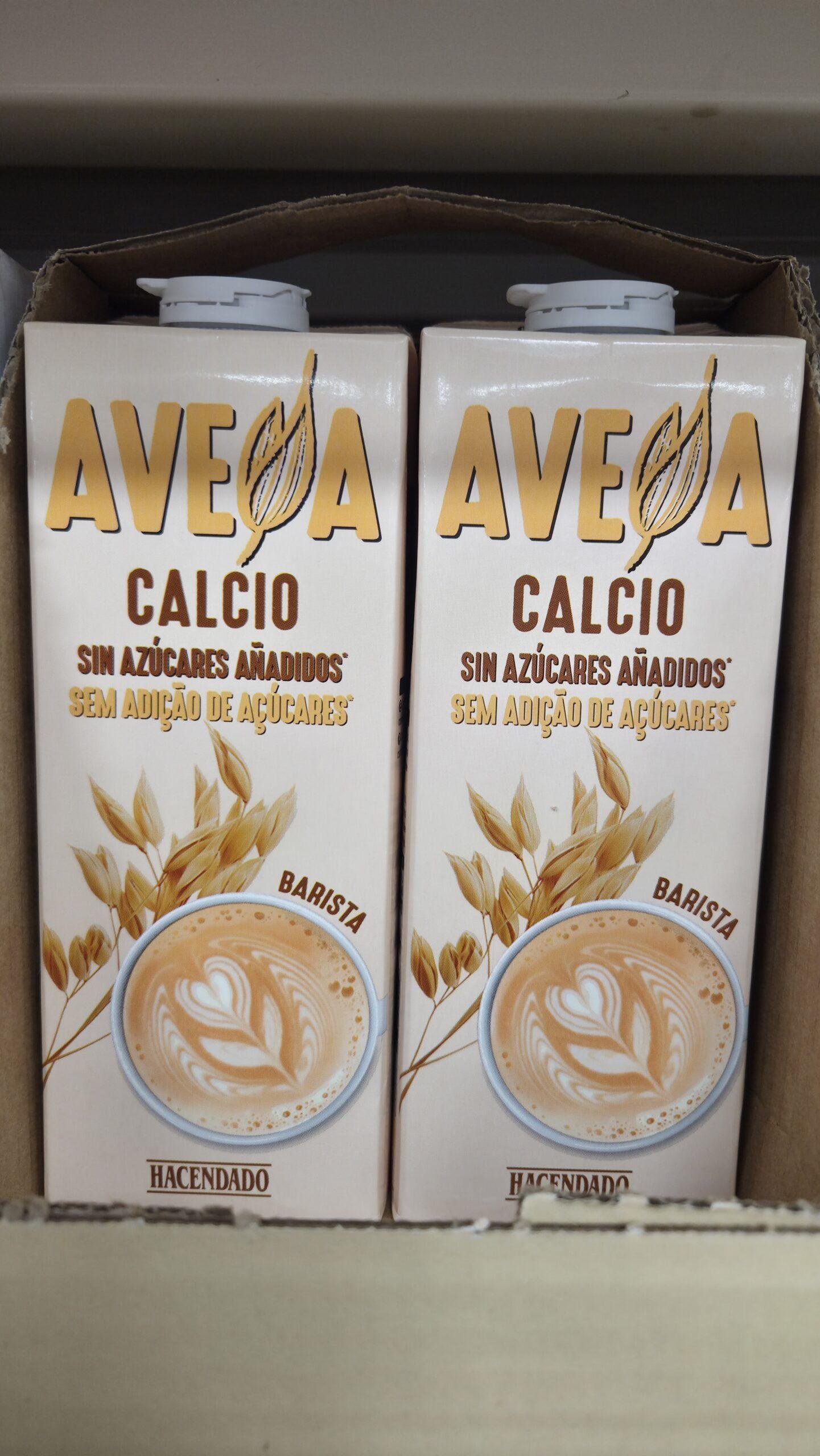 .
 .
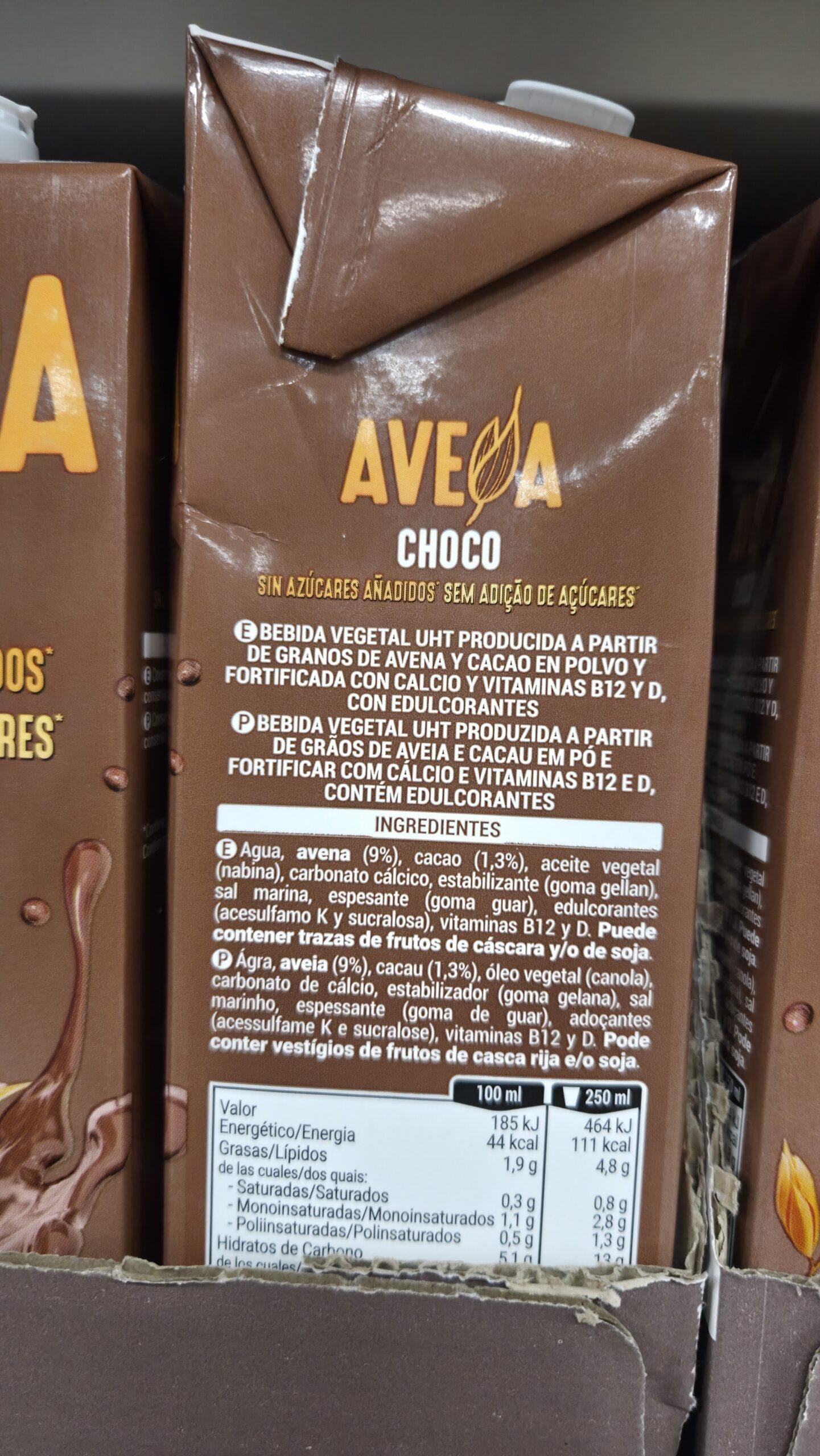
10. Mercadona chocolate oat milk
.Approx. price €1.10–1.30 .Description: Chocolate oat milk for breakfasts or desserts.Ingredients: Water, oats (3%), cocoa (2%), sugar, gellan gum, flavouring, salt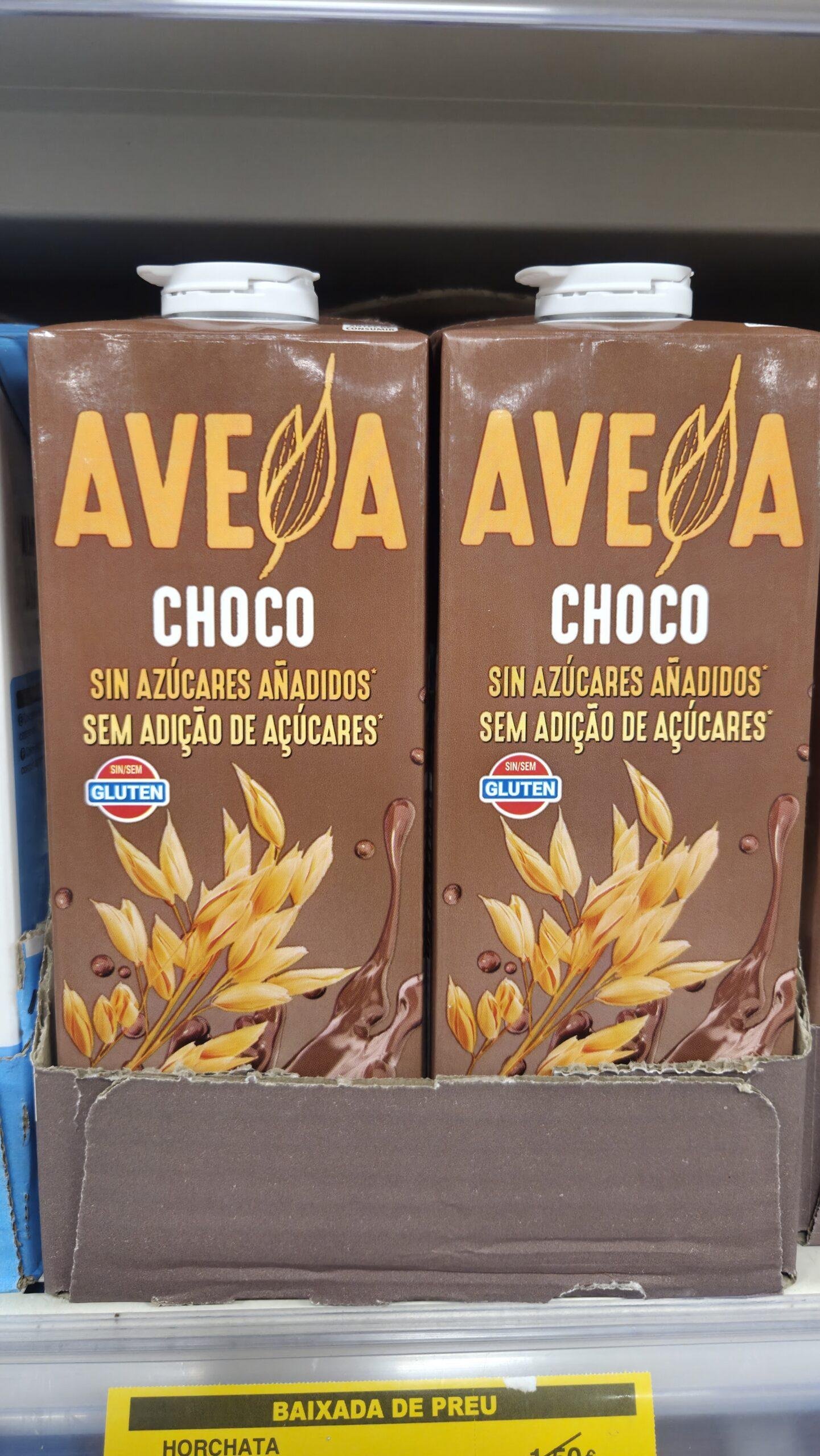 .
 .
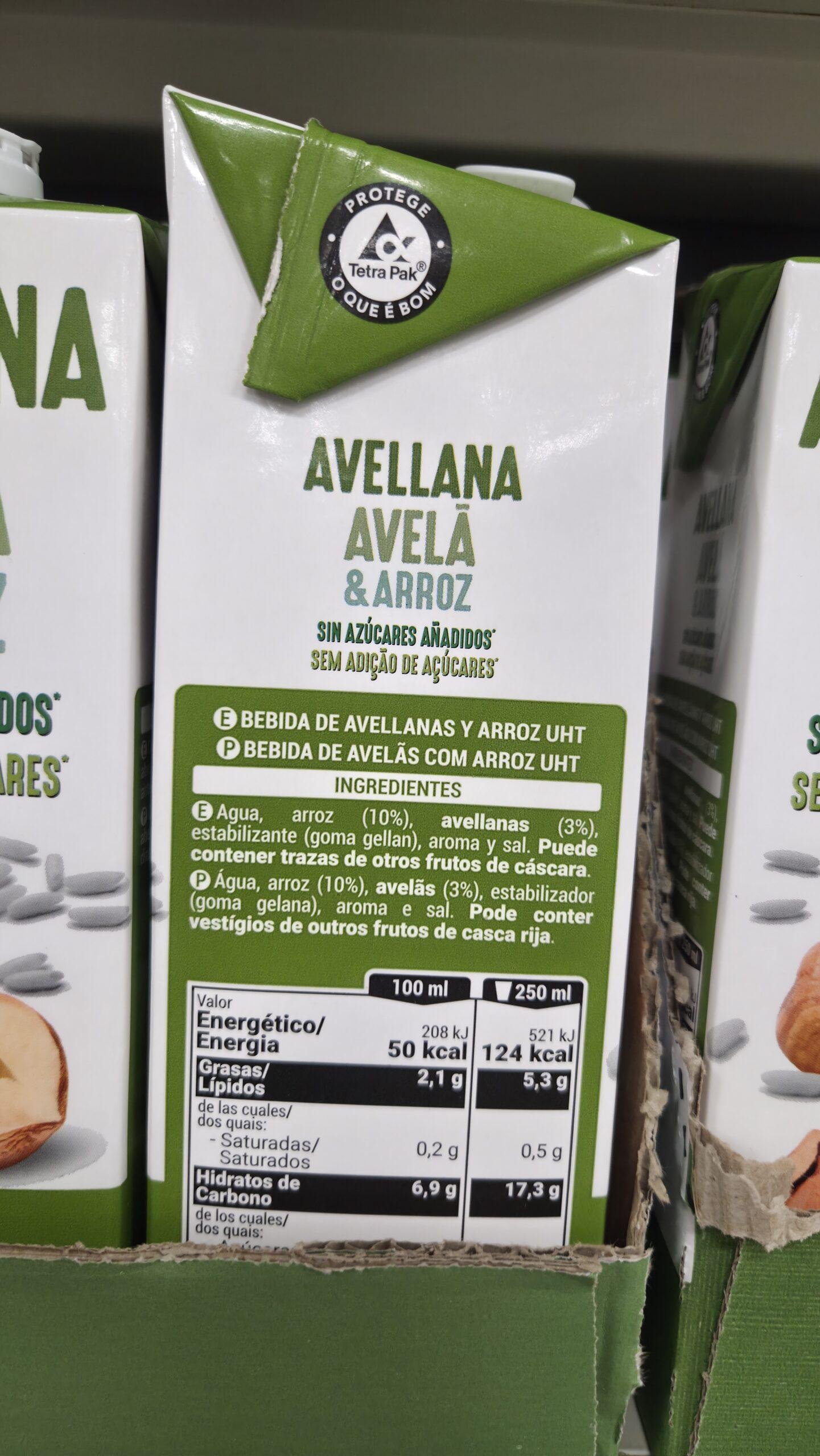
11. Mercadona hazelnut milk
.Approx. price €1.30–1.40 .Description: A creamy hazelnut drink for those who prefer mild flavours.Ingredients: Water, hazelnuts (2%), gellan gum, salt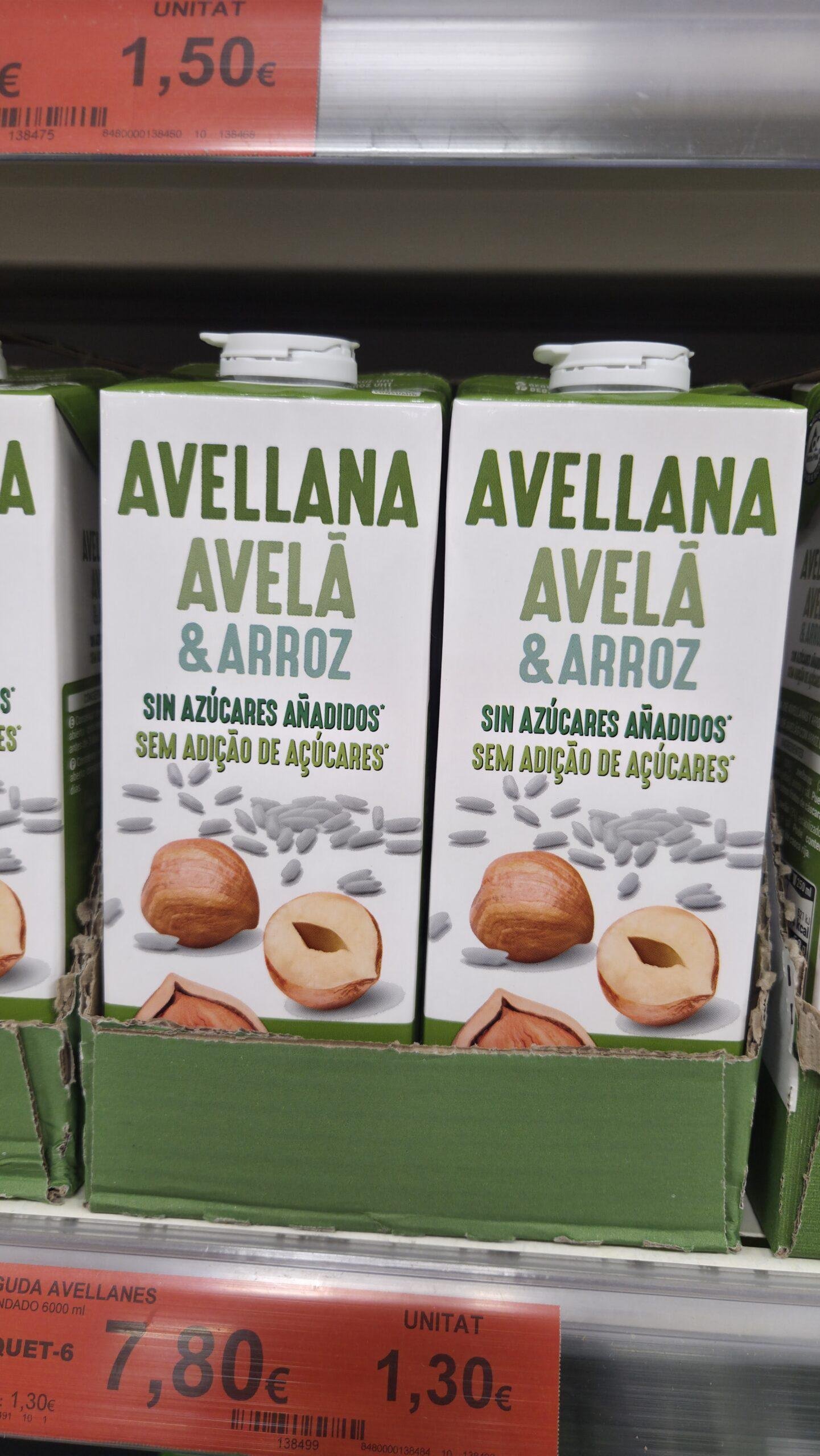 .
 .
FAQs about plant milks at Mercadona
.What types of plant milk are there?
.They can be made from grains (rice, oats, wheat), nuts (almonds, hazelnuts, coconut), pulses (soya) or seeds (chia, hemp). Mercadona offers several bases, fortified with calcium and vitamins B2, B12 and D, or flavoured with vanilla and chocolate. Texture, flavour and nutrition vary with processing and additives such as gellan gum or acesulfame K.
.Which plant milk has the fewest calories?
.Unsweetened almond milk typically provides 15–30 kcal per 100 ml, depending on brand, due to its low energy density and 2–3% almond content. Compared with oat milk (35–50 kcal/100 ml) or soya (30–40), it is lighter if it contains no added sugar or oils.
.Which plant milk works best in coffee?
.Oat milk is often preferred for its creaminess and carbohydrates (7–10 g/100 ml), which help it foam. Stabilisers such as gellan gum improve heat stability. Soya also gives body through its 3–4 g/100 ml protein, though it can add a beany flavour.
.Is coconut milk a plant milk?
.Yes, it is made from grated coconut flesh and water. Mercadona’s Coconut & Rice version contains 6% coconut and 12% guar rice. Its saturated fat (1–2 g/100 ml) and calories (20–50 kcal/100 ml depending on dilution) distinguish it from lighter drinks and make it more suited to cooking.
.Which plant milk is healthiest to drink?
.Fortified soya milk with calcium and vitamins B2, B12 and D stands out for its 3–4 g/100 ml protein, similar to cow’s milk, and added calcium (120 mg/100 ml). With no cholesterol or lactose and 1–2 g/100 ml saturated fat, it fits a balanced diet when chosen without artificial sweeteners.
.Which is better: oat or almond milk?
.It depends on your needs. Oat milk has more carbohydrates (7–10 g/100 ml), creaminess and less protein (0.5–1 g/100 ml), and may contain added sugar. Almond is lighter (15–30 kcal/100 ml), with 1–2 g fat and around 0.5 g protein. Soya exceeds both for protein and fortification.
.Which plant milk is best for adults?
.Fortified soya stands out for 3–4 g/100 ml protein, 120–140 mg calcium and vitamins B2, B12 and D supporting bones and metabolism. Its low glycaemic index and lack of lactose suit many adults, except those with pulse intolerances.
.Which plant milk is best for weight loss?
.Unsweetened almond milk provides 15–30 kcal/100 ml and under 1 g carbohydrates due to its 2–3% almond content and lack of caloric additives. It has lower energy density than oat (35–50 kcal) and soya (30–40), which can help a calorie deficit when consumed moderately.
.What happens if I drink plant milk daily?
.A fortified version can provide nutrients without lactose or cholesterol. This article raises concerns about long-term consumption of sweeteners or added sugar. If unfortified, calcium and vitamin D need to come from other foods.
.Which is better for you: soya or oat milk?
.Soya offers more protein (3–4 g/100 ml versus oat’s 0.5–1) and can be fortified with calcium and vitamins. Oat has more carbohydrates (7–10 g/100 ml), useful for immediate energy or avoiding pulses, but may contain more sugar, relevant when monitoring glucose.
.Which plant milk tastes best in coffee?
.Oat milk offers natural sweetness and foaming with its 7–10 g/100 ml carbohydrates. Gellan gum improves heat performance. Soya also gives body, but its beany flavour may be more noticeable.
.Which milk is the same as cow’s milk?
.None is identical. Fortified soya comes closest with 3–4 g protein, 120–140 mg calcium per 100 ml and added vitamins, compared with cow’s milk at 3.2–3.5 g protein and 120 mg calcium. Fat differs (1–2 g versus 3.5) as do natural micronutrients.
.Which plant milk best replaces cow’s milk?
.Fortified soya combines protein (3–4 g/100 ml), calcium (120–140 mg/100 ml), vitamins B2, B12 and D and cooking versatility. Low saturated fat (1–2 g) and no lactose make it a nutritionally balanced alternative.
.Which plant milk tastes closest to cow’s milk?
.Soya, especially unsweetened, has a dense texture and neutral or beany notes reminiscent of whole milk with 3.5% fat. Its 3–4 g/100 ml protein also contributes to the mouthfeel.
.Why does it seem people no longer drink soya milk?
.It is not true that nobody drinks it. It has lost prominence amid concerns about phytates, phytoestrogens and a flavour some find strong. Oat and almond have gained ground, though additive-free soya remains a solid nutritional option.
.What happens if I drink soya milk daily?
.It provides protein (3–4 g/100 ml) and, when fortified, calcium and vitamins B2, B12 and D for muscles and bones. The original article raises cautions about excessive isoflavones and phytates in diets lacking variety.
.What happens if I drink almond milk daily?
.A 250 ml glass provides 40–75 kcal, 0.5–1 g protein and 2–5 g fat. It can fit a weight-management diet, but unfortified versions require calcium and vitamin D from other foods.
.Which plant milk is best for gaining weight?
.Coconut milk provides 20–50 kcal/100 ml and 1–2 g saturated fat, with greater density in less diluted versions. Sweetened oat milk (50–60 kcal/100 ml) can also add energy. Coconut adds richness to smoothies and higher-calorie recipes.
.What side effects can daily milk consumption have?
.Plant milks are generally safe, depending on type and individual tolerance. The original article mentions digestive discomfort with soya, almond allergies and glucose rises with sweetened oat drinks. Unfortified drinks require calcium and vitamin D from elsewhere. Cow’s milk can cause problems for those with lactose intolerance.
.

