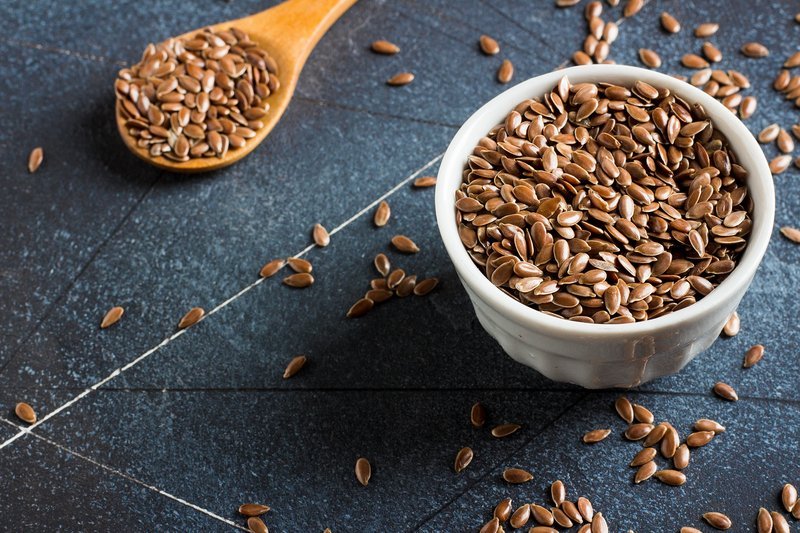
Flaxseed, also known as linseed, is known for its nutrients and potential benefits. There is also discussion of flaxseed contraindications Consumed for centuries, they provide nutrients but may also have contraindications. Here we review properties, uses, possible adverse effects and common questions.
Properties of flaxseed
What do they contain?
Their main nutrients include:
Omega-3 fatty acids: Associated with cardiovascular health.
Soluble and insoluble fibre: Supports digestion and helps with constipation.
Lignans: Natural antioxidants studied for their potential role in the risk of certain cancers.
Plant protein: An option for vegetarians and vegans.
Vitamins and minerals: Including vitamin B1, magnesium and phosphorus.
Flaxseed benefits
What are they used for?
The article highlights several benefits:
Digestion: Fibre can help regulate bowel movements and relieve constipation.
Skin and hair: Fatty acids and antioxidants are associated with hydration and skin and hair health.
Weight management: Absorbing water can increase fullness and help moderate appetite.
Cholesterol: Lignans and soluble fibre may help reduce LDL cholesterol.
Inflammation: Omega-3s are associated with anti-inflammatory processes, of interest in conditions such as arthritis.
Types of flaxseed
There are two main varieties:
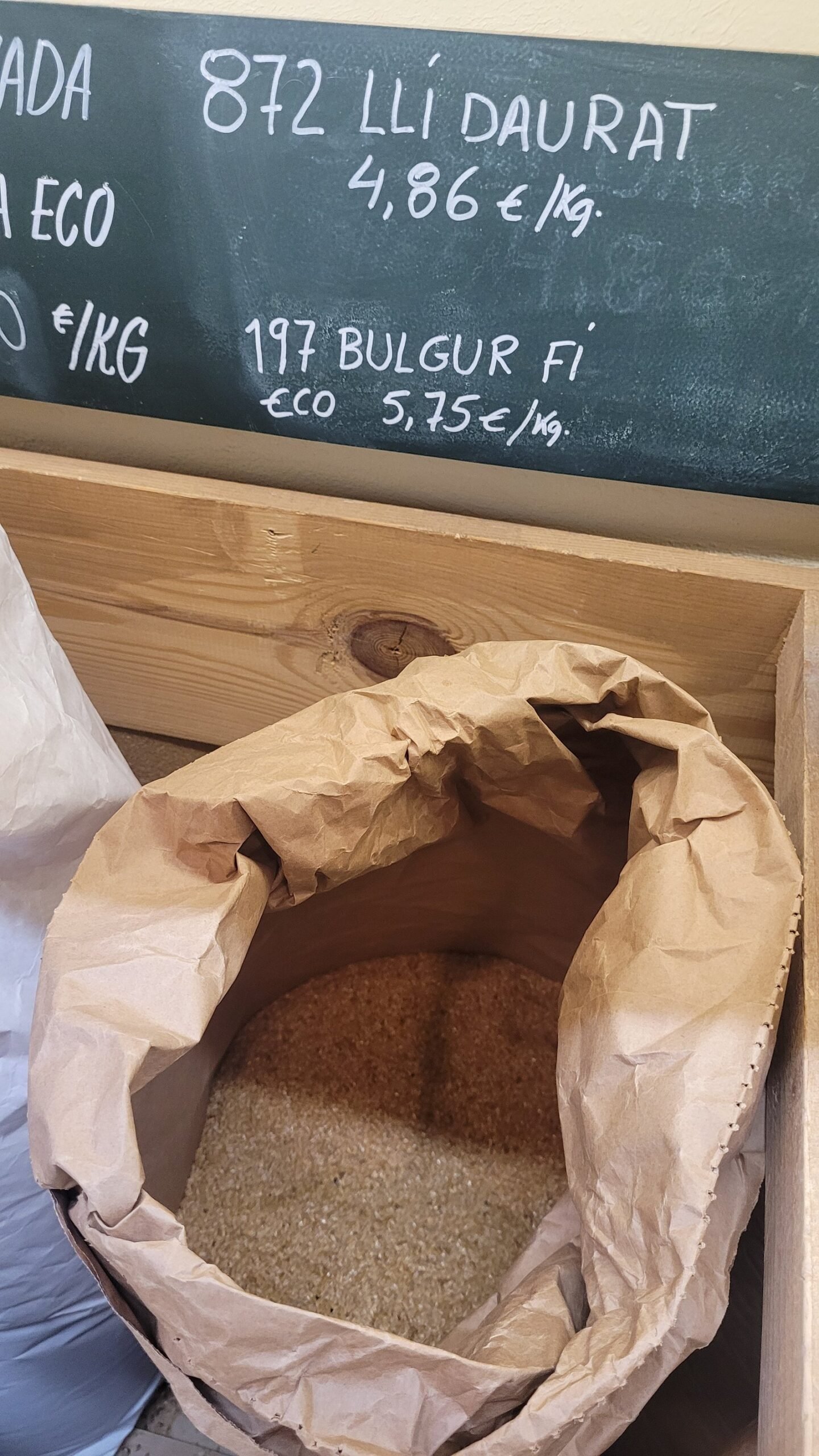
Golden flaxseed: Mild-tasting, with antioxidants, for salads or yoghurt.
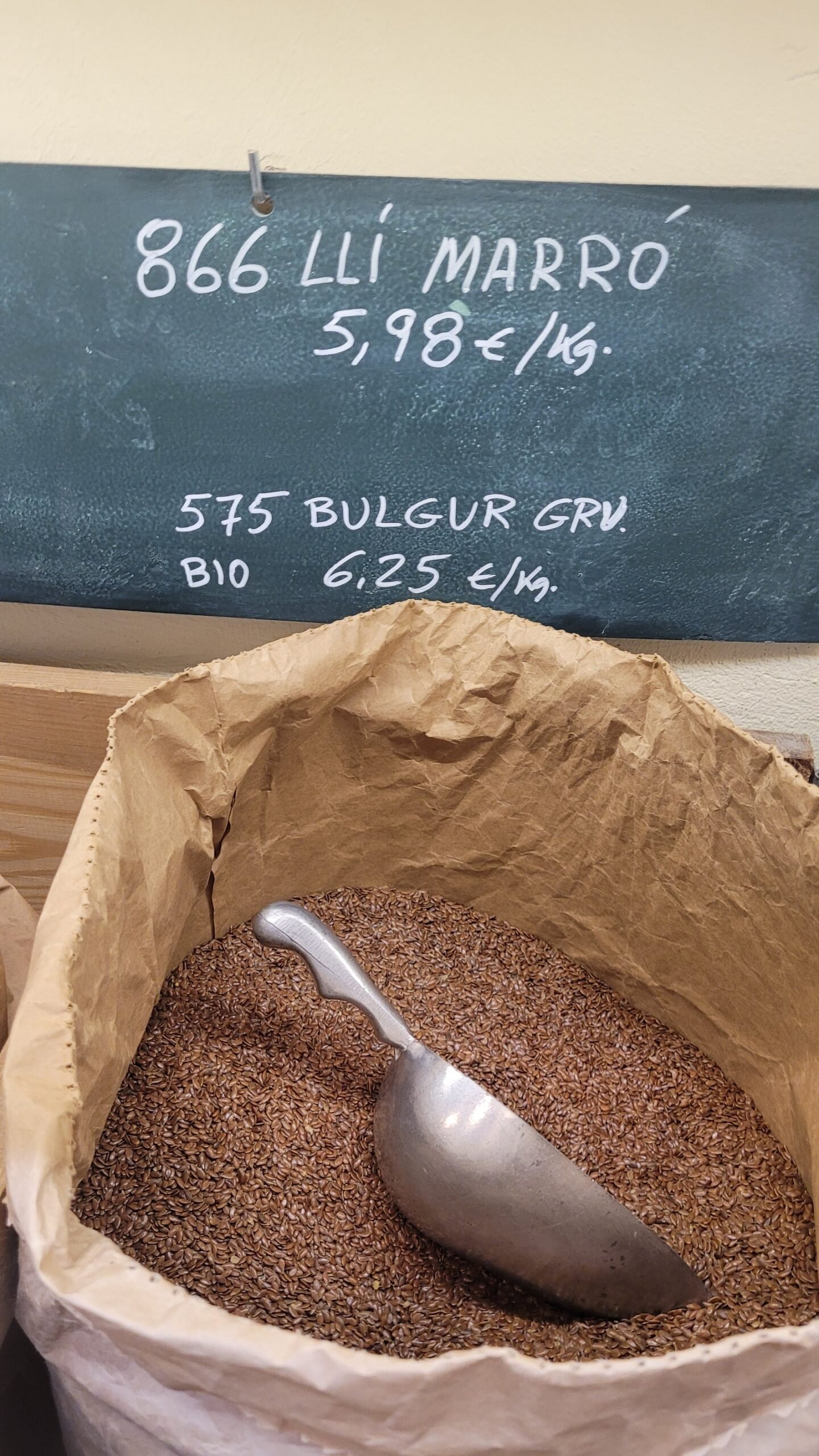
Brown flaxseed: Stronger-tasting, nutritious and often cheaper, common in supermarkets such as Mercadona.
How to use flaxseed
Ways to include them in meals
Ground flaxseed: Grinding makes nutrients easier to access, as whole seeds are difficult to digest. Use a coffee grinder or buy ready-ground.
Flaxseed in water: Soaking for several hours releases mucilage, a gel associated with digestion.
In yoghurt or smoothies: A tablespoon of ground seeds in plant yoghurt or a smoothie is a simple option.
Flaxseed bread: Adding it to homemade bread provides fibre.
Flaxseed oil: A liquid omega-3 source, used cold.
What daily amount does the article suggest?
The article suggests 1–2 tablespoons daily, around 10–20 g, and warns about excessive consumption.
Flaxseed and constipation
Soluble and insoluble fibre can soften stools and help bowel movements.
Uses described for constipation
Soaking: The article describes soaking a tablespoon in a glass of water overnight and consuming it in the morning.
Grinding: Mix a tablespoon of ground seeds into yoghurt or a smoothie.
Flaxseed contraindications
Is daily consumption harmful?
Excessive consumption may have adverse effects. The article highlights:
Digestive discomfort: High fibre intake can cause bloating, wind or diarrhoea.
Medication interactions: Flaxseed may interact with some medicines; the article mentions anticoagulants and diabetes medication.
Allergies: Uncommon, but possible.
Gut flora: Excess may affect its balance in some people.
Where to buy flaxseed
In Spain, find them in supermarkets and specialist shops:
Mercadona: Whole and ground seeds at competitive prices.
Online: Platforms such as Amazon let you compare prices and varieties.
Frequently asked questions
Does flaxseed cause weight gain?
In moderate amounts, they can fit weight management through increased fullness.
Are flaxseed and linseed the same?
Yes, different names for the same product.
Chia or flaxseed for constipation?
The article discusses both options and describes flaxseed as gentler for sensitive digestive systems.
If you have read this far…
Flaxseed is versatile and nutritious, but moderation and contraindications matter. It can be included in a varied diet for its nutrients and culinary uses.
Déjanos tu email y descubre cómo conseguir un postre gratis en Veganashi durante octubre. Además, entrarás en el Radar Vegano BCN para recibir nuestras novedades y promociones.
He leído y acepto la política de privacidad y el envío de comunicaciones comerciales.